Staying hydrated supports energy, focus, and overall comfort, especially in warm climates like Puerto Rico. When you feel run down, overheated, or dehydrated, your first impulse is to drink water. But is drinking fluids enough, or does IV therapy make more sense? The answer depends on the situation, how the body is responding, and personal comfort.
Below, we take a look at how hydration works, the perks of IV Therapy, and we also dig into the main differences between regular hydration and IV Therapy.
How Oral Hydration Works
Oral hydration relies on drinking fluids that pass through the digestive system before entering the bloodstream. Water, electrolyte drinks, soups, and hydrating foods all contribute to fluid intake. For everyday needs, this approach works well for most people.
Mild dehydration from routine activity, short workouts, or normal daily heat exposure is often corrected by resting, drinking fluids steadily, and allowing time for the body to rebalance. Oral hydration is accessible, inexpensive, and easy to manage throughout the day.
Absorption happens gradually, which allows the body to regulate fluid levels naturally. This slower pace can be beneficial for maintaining balance without sudden changes. For people who can drink comfortably and keep fluids down, oral hydration remains the first option to consider before exploring other hydration methods.
Situations Where Oral Hydration Is Often Enough
In many cases, rest and fluids are all that’s needed. After a beach day, a light hike, or moderate exercise, sipping water and electrolytes over several hours usually restores balance. The same applies after travel fatigue, mild sun exposure, or long days spent walking outdoors.
Oral hydration also allows the body to regulate intake naturally. Drinking slowly reduces the chance of stomach discomfort and gives the body time to absorb fluids at its own pace. This method works well during normal routines at home or work, where regular access to drinks is easy.
For people without nausea or digestive issues, and who can hydrate consistently, this approach is often sufficient.
When IV Therapy May Be Considered
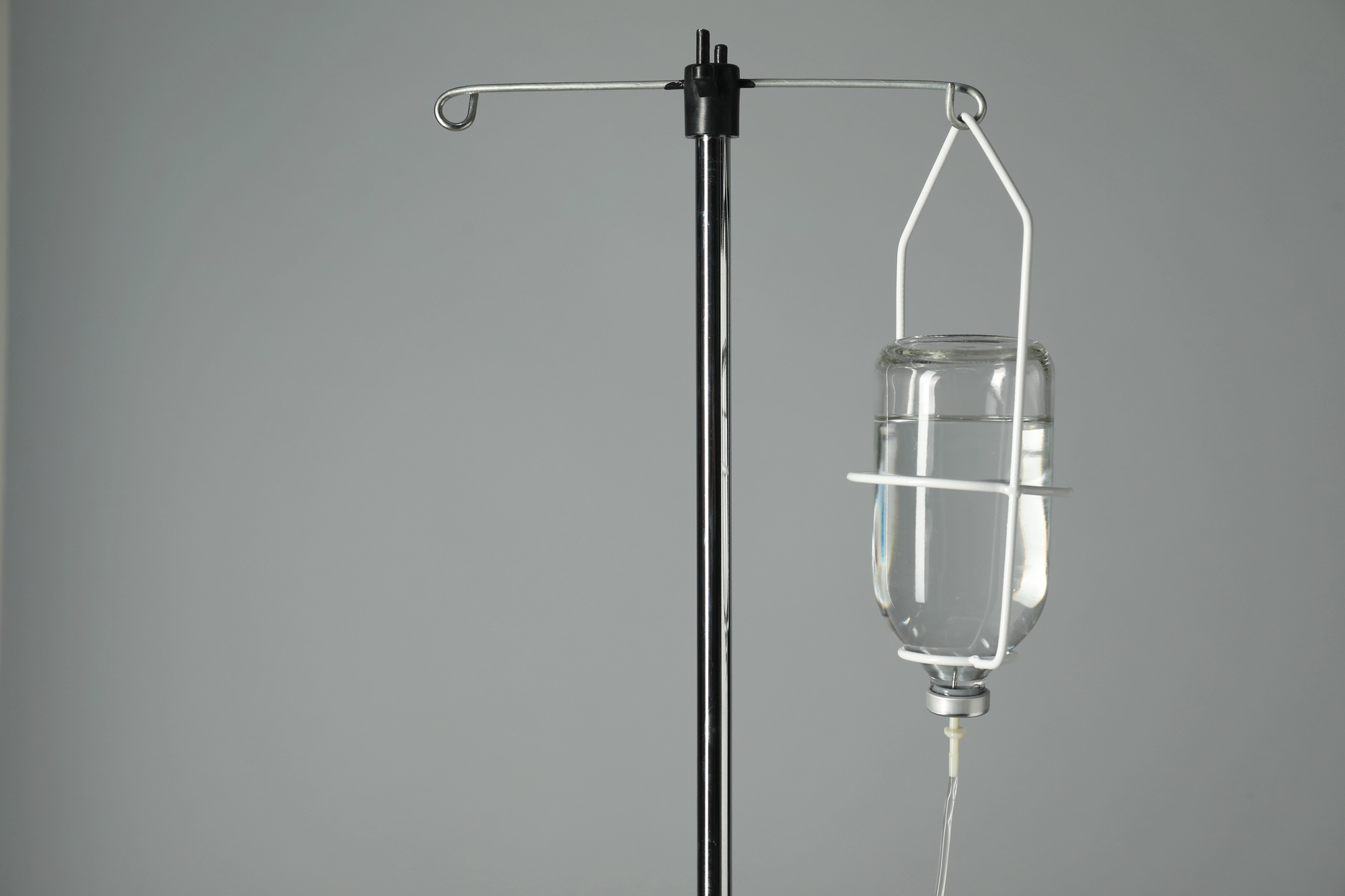
IV therapy delivers fluids directly into the bloodstream, bypassing digestion. This method is sometimes chosen when oral hydration is difficult or ineffective. Because fluids are absorbed immediately, some people notice faster relief from symptoms tied to dehydration or electrolyte imbalance.
Situations where IV therapy can make sense include ongoing dehydration despite drinking fluids, nausea or vomiting that prevents keeping liquids down, high heat exposure with heavy sweating, recovery after intense physical exertion, or fatigue or weakness where rapid rehydration is preferred.
IV therapy may also be considered after long flights, extended outdoor events, or periods of illness that limit fluid intake. Some people prefer IV hydration when time is limited and rest alone is not an option.
In Puerto Rico, heat and humidity can increase fluid loss quickly. People spending long hours outdoors, working physically demanding jobs, or traveling in hot conditions may find oral hydration alone doesn’t restore how they feel as quickly as expected, especially when combined with sun exposure, physical strain, or disrupted sleep.
Speed and Absorption Differences
One key difference between IV therapy vs oral hydration is speed. Oral fluids take time to move through the digestive system. IV fluids enter circulation immediately, which is why some people report feeling relief faster.
That speed can be helpful in short-term situations where time matters, such as before returning to activities, travel plans, or events. However, faster delivery does not automatically mean it is necessary. Many people recover just as well with rest and fluids given enough time.
Comfort and Personal Preference
Comfort plays a major role when choosing hydration options in Puerto Rico. Some people prefer sipping fluids and resting, while others feel more at ease knowing hydration is administered in a controlled setting. Personal preference, past experiences with dehydration, and how quickly someone needs to feel better often influence this decision.
IV therapy sessions typically involve reclining comfortably while fluids are delivered over a set period, with minimal effort required from the patient. Oral hydration allows more flexibility but requires consistent intake and patience, especially in hot or active environments. There is no universal “right” choice, only what fits a person’s situation, tolerance, health considerations, and daily demands.
Safety and Practical Considerations
Both hydration methods are generally safe when used appropriately. Oral hydration carries little risk when fluids are consumed in moderation. IV therapy should always be administered by licensed medical professionals who review health history and current conditions.
People with certain medical conditions, fluid restrictions, or sensitivities should consult a healthcare provider before choosing IV therapy. Asking questions about ingredients, volume, and process helps ensure comfort and clarity.
What You Should Consider Before Making a Decision
When deciding whether to choose IV therapy versus oral hydration, consider these factors:
- Are you able to drink fluids comfortably?
- Have symptoms improved with rest and oral intake?
- Is heat, travel, or physical demand ongoing?
- Do you need quicker recovery for practical reasons?
For mild symptoms, starting with oral hydration and rest is reasonable. If that approach doesn’t help or isn’t possible, IV therapy may be an alternative to discuss with a qualified provider.
Where Can I Get Personalized IV Therapy in Puerto Rico?
Mobile IV services in Puerto Rico provide an at-home alternative for people who want hydration or nutrient support without making a trip to a clinic. A licensed medical professional comes directly to a location of your choice, such as a home or hotel, making the process more convenient during busy or active days.
Treatments are selected based on personal needs, whether that involves replenishing fluids, supporting electrolyte balance, or addressing fatigue linked to heat and activity. This approach allows people to receive care while continuing to focus on travel plans, work, or time outdoors.
Contact Mobile IV Puerto Rico Today
For anyone who prefers recovery in a familiar, relaxed setting, scheduling a mobile IV session offers a flexible option. Appointments are arranged around your availability, allowing you to rest comfortably and return to your day feeling more stable and refreshed.
If you are ready to take your hydration to the next level, book your session with Mobile IV Puerto Rico today and get your personalized IV therapy session delivered wherever you are, so you can stay refreshed, balanced, and ready to enjoy every moment.