IV hydration therapy is becoming more popular every year. Around the globe, 30 million people make use of the wide and varied benefits it has to offer. But how does this therapy work? And what's the impact it has on your body?
Let's try to answer these questions below.
Intravenous Delivery Vs Standard Hydration
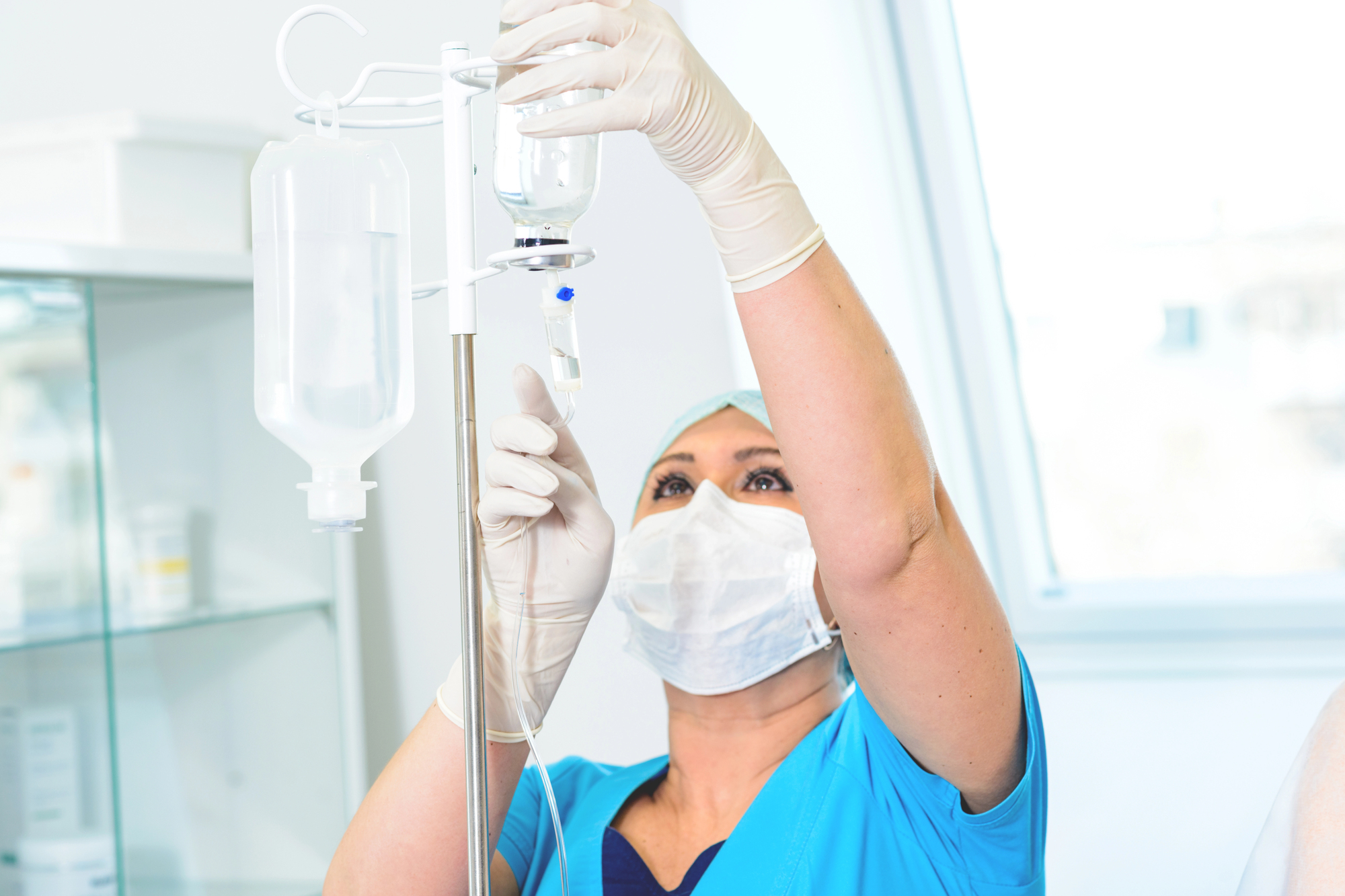
Intravenous hydration delivers fluids and micronutrients directly into the venous system, bypassing the digestive tract to ensure immediate availability at the cellular level. This method allows the body to restore fluid balance and nutrient concentrations more rapidly and efficiently than oral intake alone, particularly when the digestive system is compromised or when rapid recovery is required.
When fluids are administered through an IV, they enter the bloodstream directly, which circumvents the "first-pass effect" associated with oral consumption.
In the standard digestive process, water and nutrients must be broken down in the stomach, absorbed through the intestinal wall, and filtered by the liver before entering general circulation. Factors such as gut health, age, and current physical stress can significantly limit the percentage of nutrients that actually reach the cells.
By entering the blood vessels directly, the solution achieves 100% bioavailability. This means the concentration of vitamins, minerals, and electrolytes in the plasma rises instantly, allowing tissues to absorb what they need without the delay of gastric emptying.
This is particularly relevant for people experiencing significant fluid loss or those with malabsorption issues, as it ensures the body isn't working harder than necessary to process essential nutrients.
Osmosis and Cellular Rehydration in Warm Climates
The primary goal of hydration therapy is to maintain or restore osmotic balance, which is the movement of water across cell membranes to ensure proper function. In environments like Puerto Rico, where high temperatures and humidity are constant, the body loses fluids and electrolytes at an accelerated rate through perspiration.
If the concentration of electrolytes in the blood becomes too low or too high relative to the fluid inside the cells, physical performance and cognitive clarity begin to decline.
Most IV solutions are "isotonic," meaning they have a similar concentration of dissolved particles as human blood. This allows the fluid to move seamlessly from the blood vessels into the interstitial space and finally into the cells themselves.
In a tropical climate, where "insensible water loss" occurs even while at rest, maintaining this cellular pressure is vital for thermoregulation and metabolic efficiency.
The Role of Electrolytes and Micronutrients in Recovery
Hydration is not merely about water; it is about the balance of electrolytes, such as sodium, potassium, calcium, and magnesium, that facilitate electrical impulses in the nervous system and muscle tissue.
During intense outdoor activity, such as hiking in El Yunque or surfing in Rincón, the body loses these minerals rapidly. When electrolyte levels drop, the heart has to work harder to pump blood, and muscles become prone to cramping and fatigue.
IV therapy allows for the inclusion of specific micronutrients, such as B-complex vitamins and Vitamin C, which play roles in energy metabolism and immune support. While these can be found in a balanced diet, the body’s demand for them often spikes during periods of high physical stress, travel fatigue, or illness.
Intravenous fluids are an effective way to manage the depletion that occurs when the body's output exceeds its intake, providing the raw materials necessary for cellular repair and enzyme function.
Travel and "Jet Lag": How Can IV Hydration Therapy Help?
Travelers visiting Puerto Rico may face a combination of air travel dehydration, disrupted sleep patterns, and rapid climate changes, all of which contribute to the physiological state commonly known as jet lag.
The pressurized, low-humidity air in airplane cabins accelerates fluid loss through the lungs and skin, often leaving passengers in a state of mild systemic inflammation upon arrival. This fatigue isn't just "tiredness"; instead, it is a metabolic response to dehydration and circadian rhythm disruption.
Strategic hydration helps mitigate these effects by restoring plasma volume and supporting the brain's ability to regulate the sleep-wake cycle. When the body is properly hydrated, it can better manage the cortisol spikes associated with travel stress.
While rest and nutrition are fundamental to acclimating to a new environment, a targeted hydration session can significantly reduce the "downtime" many travelers experience during the first 48 hours of their itinerary.
Limitations and Clinical Considerations
While IV therapy is a highly effective tool for wellness and recovery, it is not a magic cure and should be viewed as a complement to, rather than a replacement for, healthy lifestyle choices. Proper nutrition, consistent oral water intake, and adequate sleep are the cornerstones of long-term health.
In addition, remember that IV therapy is a medical procedure that must be administered by licensed professionals who can screen for contraindications.
People with certain underlying health conditions, such as congestive heart failure or kidney disease, must be cautious with fluid intake and should always consult their primary physician before seeking elective IV services.
Rehydration must be tailored to each person's specific needs and health status. Responsible providers prioritize client safety by conducting thorough health assessments before any administration.
Want To Try IV Therapy? Contact Mobile IV Puerto Rico
In the busy urban environment of San Juan or for guests staying at resorts along the coast, the convenience of mobile services has changed how people approach preventive wellness. Mobile IV therapy brings the clinical benefits of professional hydration directly to a person’s home, hotel, or office, removing the logistical barriers of visiting a traditional clinic.
This model fits into the lifestyles of high-performing professionals and active tourists who value their time and prioritize efficient recovery.
Mobile IV Puerto Rico offers a convenient option for individuals seeking hydration and nutrient support without interrupting daily plans. Services are delivered by licensed healthcare professionals who administer IV infusions in settings that work for you.
Each session is customized based on your needs, whether the focus is hydration, electrolyte support, or maintaining energy during warm, active days. This flexibility makes mobile IV therapy a practical choice for those balancing travel, outdoor activities, or busy schedules.
If you are looking to support hydration and recovery in a comfortable, familiar environment in Puerto Rico, booking a mobile IV session with our team can be a great option. Our appointments are designed to fit seamlessly into your routine, helping you feel refreshed, supported, and ready to continue enjoying your day.
Contact Mobile IV Puerto Rico today to schedule your initial appointment.