Staying hydrated on a multi-day trip sounds simple until long flights, changing climates, and packed schedules get in the way. Whether you’re hopping between cities or exploring off-grid destinations, your fluid needs shift more than you might expect. A little planning can make the difference between feeling energized and running on empty.
This guide provides practical hydration strategies you can actually stick to on the road. From smart packing choices to timing your water intake, you’ll learn how to stay refreshed without overcomplicating your itinerary.
Why does hydration decline over multi-day trips?
Hydration tends to drop during travel because routines change, fluid intake becomes inconsistent, and environmental factors increase fluid loss. Flights, long drives, and busy itineraries can all disrupt normal eating and drinking patterns.
Air travel is a common contributor. Cabin air is typically very dry, which increases insensible fluid loss through breathing and skin. According to the Mayo Clinic, even mild dehydration can affect fatigue levels, concentration, and physical comfort. Add to that the tendency to rely on coffee, alcohol, or sugary drinks while traveling, and fluid balance can shift further.
In Puerto Rico, heat and humidity add another layer. Sweating increases fluid and electrolyte loss, especially during beach days, walking tours, or outdoor excursions. Without deliberate effort, dehydration can build gradually over several days.
What are practical hydration travel tips for busy itineraries?
The most effective hydration travel tips are simple, consistent habits that fit into your schedule rather than disrupt it. Planning and maintaining a steady intake is more effective than trying to “catch up” later.
Start by setting a baseline: drink water regularly throughout the day rather than waiting until you feel thirsty. Thirst is not always an early indicator, especially when you’re distracted or active. Carry a reusable water bottle and refill it frequently; this can make a noticeable difference.
Space fluid intake matters as well. Large amounts all at once are less effective than steady intake across the day. Pairing hydration with routine moments, such as before meals, after walking, or between activities, helps maintain balance without requiring constant attention.
Electrolyte balance also plays a role, particularly in warm climates. When sweating increases, fluids alone may not fully support hydration status. Occasional electrolyte-containing beverages can help maintain balance, though they should complement, not replace, regular water intake.
How does Puerto Rico’s climate affect hydration needs?
In Puerto Rico, higher temperatures and humidity increase daily fluid requirements, even at rest. Outdoor exposure accelerates fluid loss through sweating, which can be less noticeable in humid conditions where sweat doesn’t evaporate quickly.
This means that staying hydrated during travel often requires more fluid than travelers expect. Activities like walking through Old San Juan, spending hours at the beach, or hiking in areas mountain areas can all increase hydration demands.
Humidity can also make it harder to recognize fluid loss. You may not feel as dry as you would in a desert climate, but your body is still losing water. That’s why consistent intake, rather than reactive drinking, is a more reliable approach in tropical environments.
What are the early signs that dehydration is developing?
Early signs of dehydration are often subtle and easy to overlook during travel. Fatigue, headaches, dry mouth, and reduced concentration are among the most common indicators.
As dehydration progresses, symptoms may include dizziness, muscle cramps, or darker urine. The Cleveland Clinic notes that even mild dehydration can affect physical performance and cognitive function, which can impact how you experience travel activities.
Recognizing these early signs allows you to adjust quickly by increasing fluid intake, taking breaks from heat exposure, and moderating physical activity when needed. Waiting until symptoms become more pronounced can make recovery slower and less comfortable.
How can hydration support recovery between travel days?
Hydration plays a direct role in recovery, particularly when travel involves physical activity, long days, or disrupted sleep. Replenishing fluids supports circulation, temperature regulation, and overall energy levels.
After a full day of activity, focusing on hydration alongside rest and nutrition can help restore balance. This might include drinking water consistently in the evening, incorporating water-rich foods, and limiting dehydrating substances like alcohol.
Sleep quality is also connected to hydration. Dehydration can contribute to discomfort, headaches, or nighttime waking, all of which can affect how rested you feel the next day. Maintaining fluid balance helps support more consistent recovery across consecutive travel days.
Where does mobile IV therapy fit into travel hydration strategies?
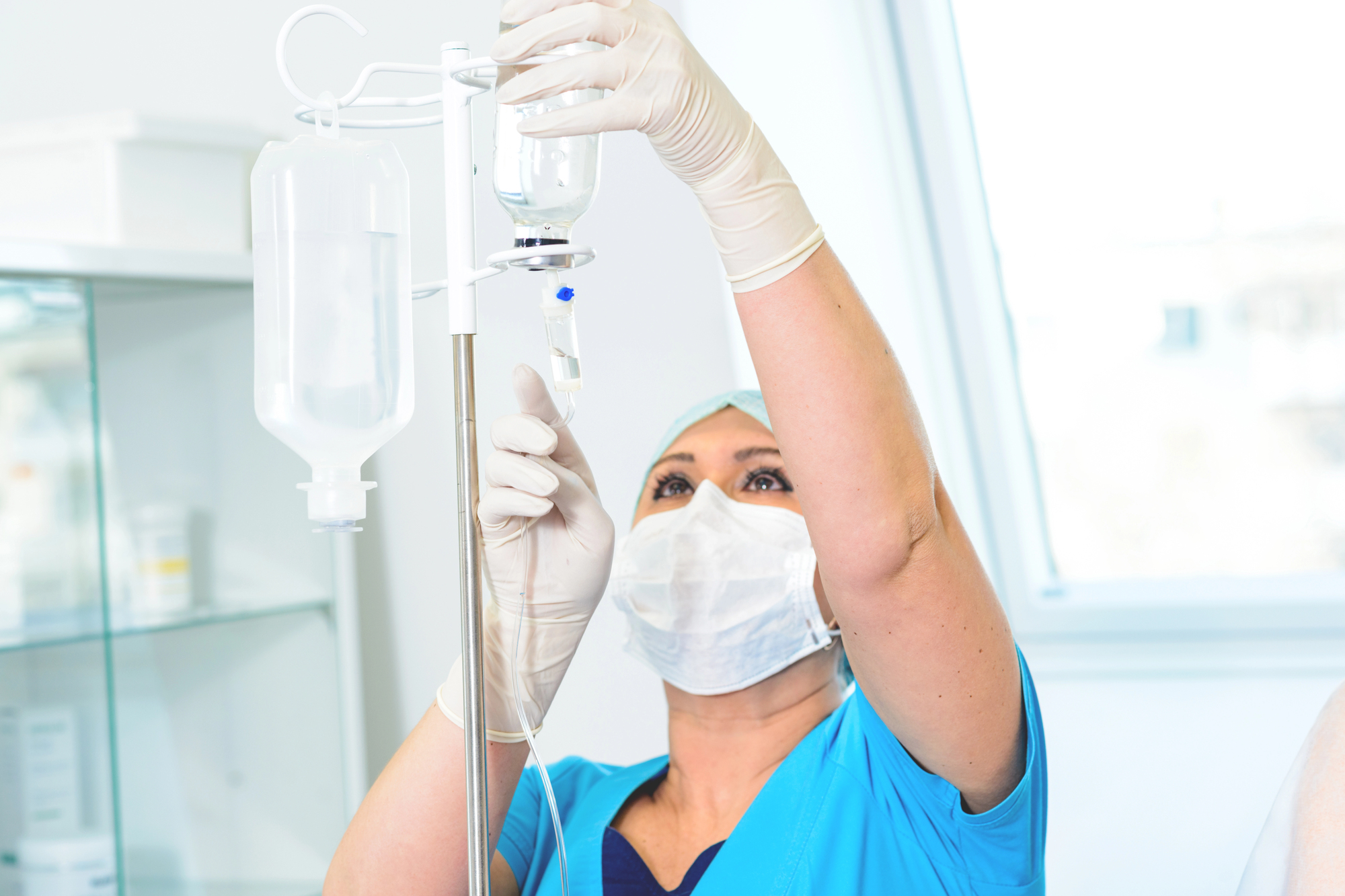
Mobile IV therapy can be a supplemental option in certain situations where hydration needs are higher or recovery feels delayed. It is not a replacement for daily hydration habits but may support rehydration when oral intake has been insufficient.
IV therapy delivers fluids and, in some cases, electrolytes or vitamins directly into the bloodstream. This bypasses the digestive system, which may be useful when someone is experiencing fatigue, mild dehydration, or difficulty maintaining fluid intake due to travel conditions.
That said, it’s important to approach IV therapy with realistic expectations. Evidence for general wellness use varies, and it should not be viewed as a cure-all or a substitute for medical care. Individuals with underlying health conditions or specific concerns should consult a qualified healthcare provider before considering IV therapy.
When might IV hydration be considered during travel?
IV hydration may be considered when dehydration symptoms persist despite adequate oral intake or when recovery between travel days feels incomplete. Situations such as extended heat exposure, intense physical activity, or disrupted schedules can contribute to these scenarios.
For example, travelers spending multiple days outdoors in Puerto Rico’s climate may find it challenging to maintain consistent hydration through fluids alone. Similarly, long travel days with limited access to water or frequent transitions between activities can lead to cumulative fatigue.
In these cases, IV therapy can be one of several tools used to support recovery. However, it should always be used thoughtfully, with attention to individual health status and guidance from licensed professionals.
How you can build a sustainable hydration routine
Start by prioritizing regular water intake and adjusting based on climate and activity level. Pay attention to how your body responds, energy levels, thirst, and physical comfort can all provide useful feedback. Incorporate hydration into your schedule in a way that feels natural, not forced.
It’s also helpful to plan. Keeping water accessible, choosing hydrating meals, and pacing activities during the hottest parts of the day can all reduce the risk of dehydration. When needed, additional support, such as electrolyte beverages or wellness services, can complement these habits.
As you can see, a sustainable hydration routine during travel is built on consistency, awareness, and adaptability. Rather than relying on a single solution, it combines daily habits with occasional supportive measures when needed.
FAQ About Travel Hydration and IV Therapy
- How much water should I drink when traveling in a hot climate?
A practical approach is to drink consistently throughout the day and monitor signs like urine color and energy levels rather than relying on a fixed number. Bear in mind that fluid needs vary by person, but in warm, humid environments like Puerto Rico, most people require more than usual due to increased sweating.
- Is it possible to drink too much water while traveling?
Yes, although it’s less common, excessive water intake without adequate electrolytes can dilute sodium levels in the body. This is why balance matters, especially during long days of sweating, by including electrolytes when appropriate.
- Are electrolyte drinks necessary for dehydration prevention during travel?
Not always, but they can be helpful in certain situations. For light daily activity, water is usually sufficient. During extended heat exposure, intense exercise, or prolonged sweating, electrolyte drinks can support fluid balance more effectively.
- Can mobile IV therapy replace drinking water?
No. IV therapy is a supplemental option and does not replace regular hydration habits. Drinking water consistently remains the foundation of dehydration prevention during travel.
- How quickly does IV hydration work compared to oral hydration?
IV fluids are delivered directly into the bloodstream, so effects may be felt more quickly in some cases. However, this does not make it necessary for most people, and oral hydration is still effective for maintaining daily fluid balance.
Contact Mobile IV Puerto Rico Today
Mobile IV Puerto Rico offers therapy services that are designed to bring hydration and wellness support directly to you, whether you’re staying in a hotel, at home, or managing a busy work schedule. Our licensed professionals administer treatments with attention to safety, comfort, and individual needs.
For travelers and residents balancing heat, activity, and demanding routines, Mobile IV Puerto Rico can offer a convenient way to support hydration and recovery when used appropriately.
If you’re interested in learning more about available options or scheduling a session, contact us.