When you think of dehydration, you probably associate it with physical symptoms such as thirst, fatigue, and muscle cramps. But the effects of inadequate hydration reach well beyond the body. The brain, which is roughly 75% water, is one of the first organs to feel the impact when fluid levels drop.
So, how does dehydration disrupts cognitive function? This is very important, for it helps explain why so many people in Puerto Rico's warm, humid climate find themselves struggling to focus, think clearly, or stay mentally sharp, even when they feel physically fine.
How Does Dehydration Affect the Brain?
Dehydration affects the brain by reducing its volume and disrupting the electrochemical processes that govern thought, memory, and attention. Even mild fluid loss, as little as 1 to 2% of body weight, has been shown in research to impair short-term memory, slow reaction times, and increase mental fatigue. The brain does not wait for thirst to signal a problem before performance begins to decline.
Water plays a direct role in how neurons communicate. Electrical signals between brain cells depend on a precise balance of electrolytes, like sodium, potassium, and magnesium, among them, dissolved in fluid. When that fluid decreases, signal transmission slows.
The result is not always dramatic. More often, it shows up as a subtle but persistent inability to stay on task, process information quickly, or retain what you just read or heard.
In a climate like Puerto Rico's, where heat and humidity accelerate fluid loss throughout the day, this kind of low-grade cognitive impairment is more common than most people realize.
What Are the Cognitive Symptoms of Dehydration?
The cognitive symptoms of dehydration include difficulty concentrating, increased mental fatigue, slower processing speed, irritability, and reduced working memory. These symptoms appear before any physical signs of dehydration become obvious, which is why many people do not connect their mental fog to fluid loss.
Concentration is particularly vulnerable. The prefrontal cortex, which is the region of the brain most responsible for focus, decision-making, and complex thought, is highly sensitive to changes in hydration status. Studies have found that even modest dehydration can reduce sustained attention and increase the perception of mental effort, meaning tasks feel harder than they actually are.
This matters in real, everyday contexts: a professional trying to get through a demanding workday, a student preparing for exams, or a parent managing a household in peak summer heat can all experience meaningful cognitive drag from dehydration that they might otherwise attribute to stress, poor sleep, or simply a bad day.
Understanding the science behind how IV drips restore vitamins and electrolytes helps clarify why restoring hydration (not just drinking water) can make a measurable difference in how quickly mental clarity returns.
Why Is Hydration Particularly Important in Puerto Rico's Climate?
Puerto Rico's tropical climate makes adequate hydration more difficult to maintain because heat and humidity increase the rate at which the body loses fluid, often faster than people consciously notice.
The combination of high ambient temperature and elevated humidity reduces the efficiency of sweat evaporation, meaning the body works harder to regulate its core temperature while losing more water in the process.
For people who spend time outdoors, commute frequently, or work in environments without consistent air conditioning, this creates a hydration environment that is genuinely more demanding than in temperate climates.
But even office workers and those in air-conditioned spaces are affected, since air conditioning itself is dehydrating, and the shift between cool indoor environments and humid outdoor air creates ongoing fluid demands the body must compensate for.
The brain, sitting at the center of all this physiological regulation, pays a cognitive price when those demands are not met. Difficulty staying focused during afternoon hours is often tied to cumulative fluid loss rather than the habitual post-lunch energy dip people tend to blame.
Staying ahead of that deficit, rather than catching up after symptoms appear, is what makes proactive hydration therapy a relevant tool for daily cognitive wellness, not just post-workout recovery or illness management.
How Does Intravenous Hydration Compare to Drinking Water for Cognitive Recovery?
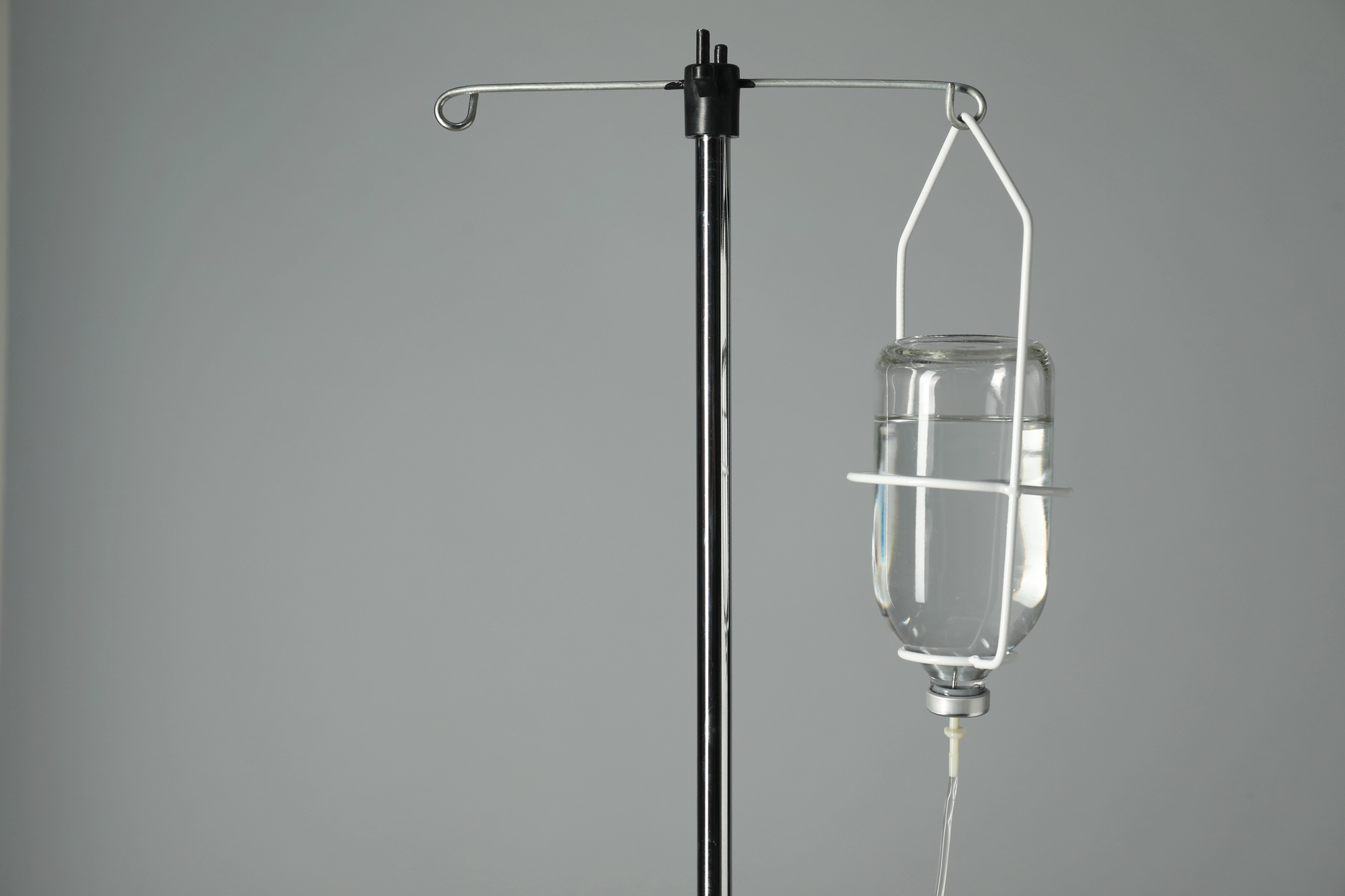
Intravenous hydration restores fluid and electrolyte balance significantly faster than drinking water because it delivers directly into the bloodstream, bypassing the digestive system entirely. When cognitive performance has already been affected by dehydration, speed of absorption matters, and oral hydration, even with electrolyte supplements, takes time to reach the brain.
Drinking water remains the foundation of daily hydration, and nothing replaces consistent fluid intake throughout the day. But when dehydration has progressed to the point where concentration, mental energy, or mood are clearly suffering, oral rehydration alone may not restore balance quickly enough to be practical, particularly for someone with commitments that cannot wait hours for relief.
IV hydration, as covered in our post on how the body processes vitamins through IV therapy, delivers fluids, electrolytes, and micronutrients at a rate the digestive route simply cannot match. For people managing energy and mental clarity challenges tied to chronic or acute dehydration, this difference in absorption speed is clinically meaningful.
Want to Try IV Therapy for Hydration and Mental Clarity? Contact Mobile IV Puerto Rico
If you have been noticing difficulty concentrating, persistent mental fatigue, or a pattern of afternoon brain fog that does not quite resolve on its own, hydration is worth looking at more closely. It is one of the most overlooked factors in day-to-day cognitive performance, and one of the most addressable.
At Mobile IV Puerto Rico, we are here to help you understand your options and figure out what your body actually needs. You can reach out through our contact page. We come to you, wherever you are on the island.