Effective recovery after intense physical activity depends on restoring fluids, electrolytes, and nutrients lost during exertion. While the body can recover on its own, the speed of that process largely depends on how quickly these elements are replenished, especially when hydration and nutrient absorption are prioritized.
In hot, humid climates like Puerto Rico, recovery becomes more challenging. High temperatures and humidity increase fluid loss faster than oral hydration can replace it. Whether training, hiking, or playing sports outdoors, this can lead to fatigue, muscle soreness, and reduced focus, making proper recovery an essential part of staying active.
Managing the Physiological Tax of High-Heat Environments
Physical activity in a warm, humid environment increases the body's core temperature more rapidly than in temperate climates, requiring the cardiovascular system to work harder to dissipate heat through sweat and increased skin blood flow. This process results in a significant loss of water and electrolytes, specifically sodium, potassium, and magnesium, which are necessary for proper muscle contraction and nerve signaling. When these levels drop, the risk of heat exhaustion and cramping increases, and the subsequent recovery window lengthens as the body struggles to maintain its internal equilibrium.
Oral rehydration remains the primary foundation for daily fluid intake; however, its efficiency is limited by the rate of gastric emptying and intestinal absorption. During and immediately after intense exertion, the digestive system may be less efficient due to blood being diverted toward the muscles and skin for cooling. For those facing back-to-back days of activity, such as a multi-day surf trip or a weekend of competitive sports, the delay in oral absorption can lead to cumulative fatigue that persists well into the following week.
The Role of Bioavailability in Wellness Recovery
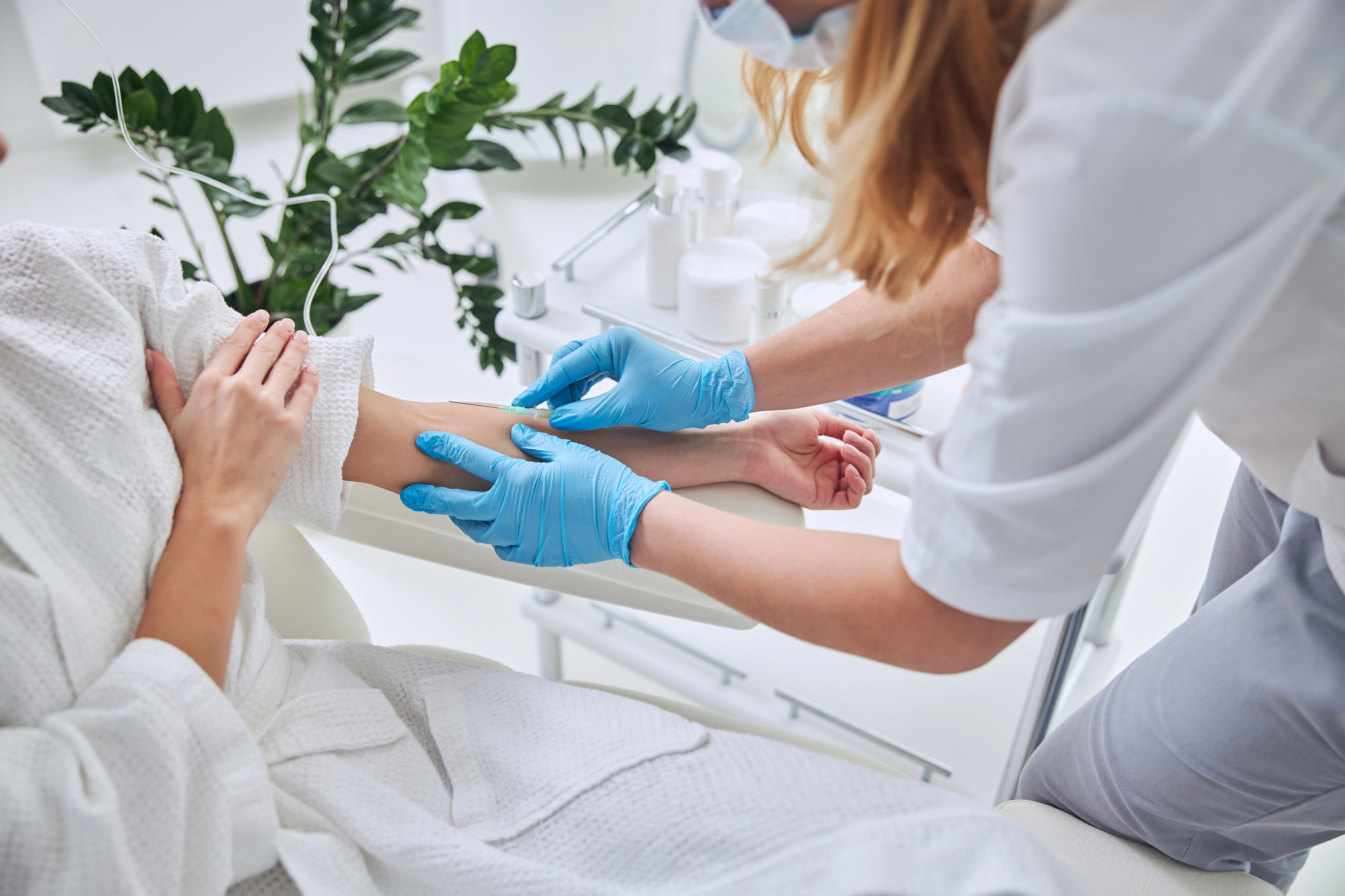
Nutrient bioavailability refers to the proportion of a substance that enters the circulation and can have an active effect on the body’s cells. When vitamins and minerals are consumed orally, they must survive the acidic environment of the stomach and the first-pass metabolism of the liver, which can significantly reduce the final concentration reaching the tissues. Intravenous delivery bypasses these barriers, ensuring that 100% of the hydration and micronutrients are immediately available for the body to utilize in its repair processes.
This direct access is particularly useful for water-soluble vitamins, such as B-complex and Vitamin C, which play a major role in cellular energy production and the mitigation of oxidative stress. After intense physical activity, the body produces a higher volume of free radicals, which can contribute to muscle inflammation and delayed-onset muscle soreness (DOMS). While an IV hydration session is not a cure for soreness, providing the body with the antioxidant resources it needs can support the natural inflammatory response. This targeted approach to wellness allows active individuals to maintain a higher level of consistency in their routines without feeling sidelined by the physical crash that often follows a peak effort.
Identifying the Signs of Lingering Dehydration
Many active individuals mistakenly believe that the absence of thirst indicates a state of full hydration, yet thirst is a late-stage signal that the body is already operating at a deficit. Signs of lingering dehydration after a long day in the Puerto Rican sun can include a persistently elevated heart rate, dark-colored urine, a dull headache, and a noticeable drop in mental focus. These symptoms suggest that the extracellular fluid volume has not yet been fully restored, even if the individual has been drinking water throughout the day.
When recovery is incomplete, the nervous system remains in a state of heightened stress, which can interfere with sleep quality and subsequent performance. Professional wellness planning involves recognizing these subtle cues and intervening before they escalate into more significant issues.
Mobile IV services fit into this routine as a tactical tool to bridge the gap when oral intake isn't sufficient. By reintroducing isotonic fluids (fluids that match the concentration of the body's natural solutes), the system can stabilize its blood volume and reduce the strain on the heart and kidneys more efficiently than through water alone.
Strategic Integration of Mobile IV into Active Lifestyles
The logistics of recovery are often the biggest hurdle for professionals and travelers who have limited time to dedicate to their health. The traditional model of seeking hydration support in a clinical or urgent care setting is often too time-consuming and inconvenient for someone managing a busy work schedule or a vacation itinerary. Mobile IV therapy solves this by bringing the intervention to the individual’s environment, whether that is a beachfront resort in Rio Grande, a private residence in Dorado, or an office in the city.
This shift toward on-demand wellness allows for recovery to happen in a low-stress, private setting, which is conducive to the parasympathetic rest and digest state necessary for true recuperation. For a resident who has just completed a demanding morning cycling session, having a licensed professional provide a hydration session at home means they can return to their daily responsibilities without the lethargy that typically follows heat-intensive exercise. It represents a move toward a more proactive, personalized form of healthcare that values efficiency as much as clinical efficacy.
Medical Considerations and Responsible Recovery Practices
While intravenous hydration is a powerful supportive tool, it must be used responsibly and under the guidance of licensed medical professionals. It is not a substitute for proper nutrition, adequate sleep, or regular medical care, nor should it be used to push through a genuine medical crisis such as severe heatstroke. Responsible providers will conduct a medical screening before any session to ensure there are no contraindications, such as certain cardiac or renal conditions that might make rapid fluid expansion unsafe.
Balancing Outdoor Recreation with Physiological Safety
Puerto Rico’s environment offers unparalleled opportunities for outdoor recreation, but it also demands a higher level of physiological awareness. The heat index (the combination of temperature and humidity) often reaches levels where the body’s ability to cool itself through evaporation is severely hampered. In these conditions, even a moderate workout can result in a fluid loss rate of one to two liters per hour. If this loss isn't managed proactively, the cumulative effect over a weekend of activity can lead to a state of systemic exhaustion.
Wellness recovery planning in the tropics should include pre-hydration, the use of appropriate clothing, and a structured post-activity protocol. Mobile IV therapy serves as a sophisticated addition to this protocol, particularly for those who are traveling or living a high-output lifestyle. By addressing the physical debt of heat and exertion early, individuals can avoid the common cycle of burnout and recovery, allowing them to fully engage with the island’s lifestyle while maintaining their long-term health and vitality.
Thinking About Trying Mobile IV Therapy? Contact Mobile IV Puerto Rico
Mobile IV therapy offers a professional and medically responsible way to support your hydration and recovery goals across Puerto Rico. Our services are administered by licensed medical professionals who provide personalized assessments and treatments in the comfort and privacy of your home, hotel, or workplace.
Mobile IV therapy offers an option for hydration after outdoor activities, fitting naturally into active schedules and tropical lifestyles. By bringing recovery directly to people, it allows them to rest, recharge, and continue enjoying everything the island has to offer.
Each session is customized based on your needs, whether the focus is hydration, electrolyte support, or maintaining energy during warm, active days. This flexibility makes mobile IV therapy a practical choice for people balancing travel, outdoor activities, or busy schedules.
If you are looking to support hydration and recovery in a comfortable, familiar environment, booking a session with Mobile IV Puerto Rico can be a great option. Reach out to us today to get started.