Something has shifted in how people think about healthcare and wellness. For much of the twentieth century, receiving medical or wellness care meant going somewhere like a clinic, a hospital, or a specialist's office. That model made sense when the infrastructure for care was centralized, and the tools required to deliver it were not portable.
But the assumptions underlying that model have eroded steadily, and the past several years have accelerated a transition that was already underway.
At-home and mobile healthcare services are no longer a niche accommodation for people who cannot leave their homes. They are an increasingly mainstream option for people who simply prefer to receive care where they are.
What Are Mobile Wellness Services and How Do They Work?
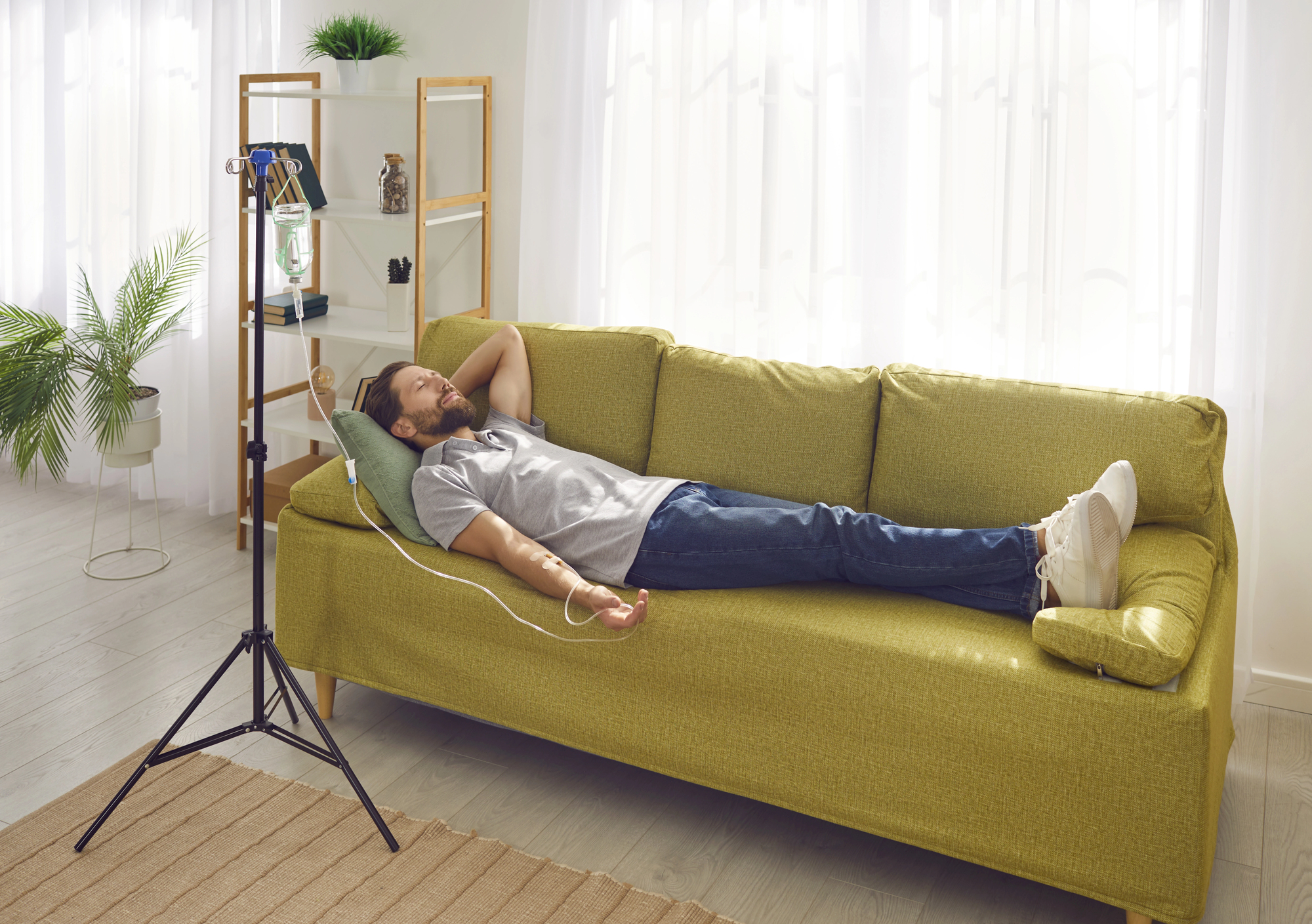
Mobile wellness services are healthcare and wellness offerings delivered directly to a client's location, such as a home, hotel room, office, or any private space, by licensed professionals who bring the necessary equipment and supplies with them. They work by removing the logistical barrier between a person and the care they need, without reducing the quality or clinical standards of that care.
The category spans a wide range of services: mobile IV therapy, in-home physical therapy, telehealth consultations, mobile diagnostics and lab work, visiting nurse services, and concierge medicine, among others. What these services share is a delivery model that centers the client's convenience without compromising on professional oversight.
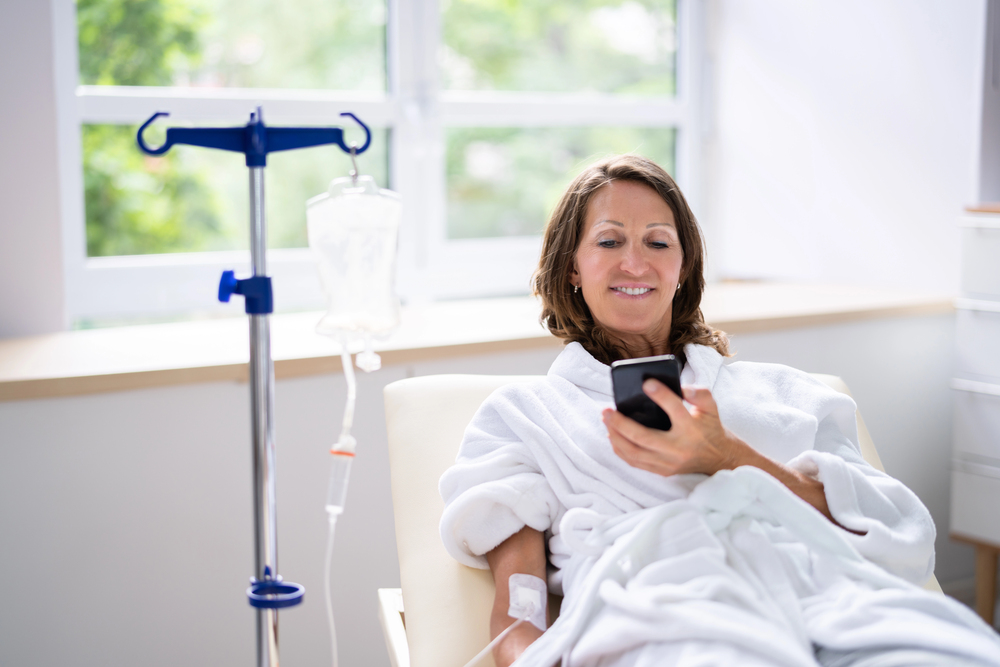
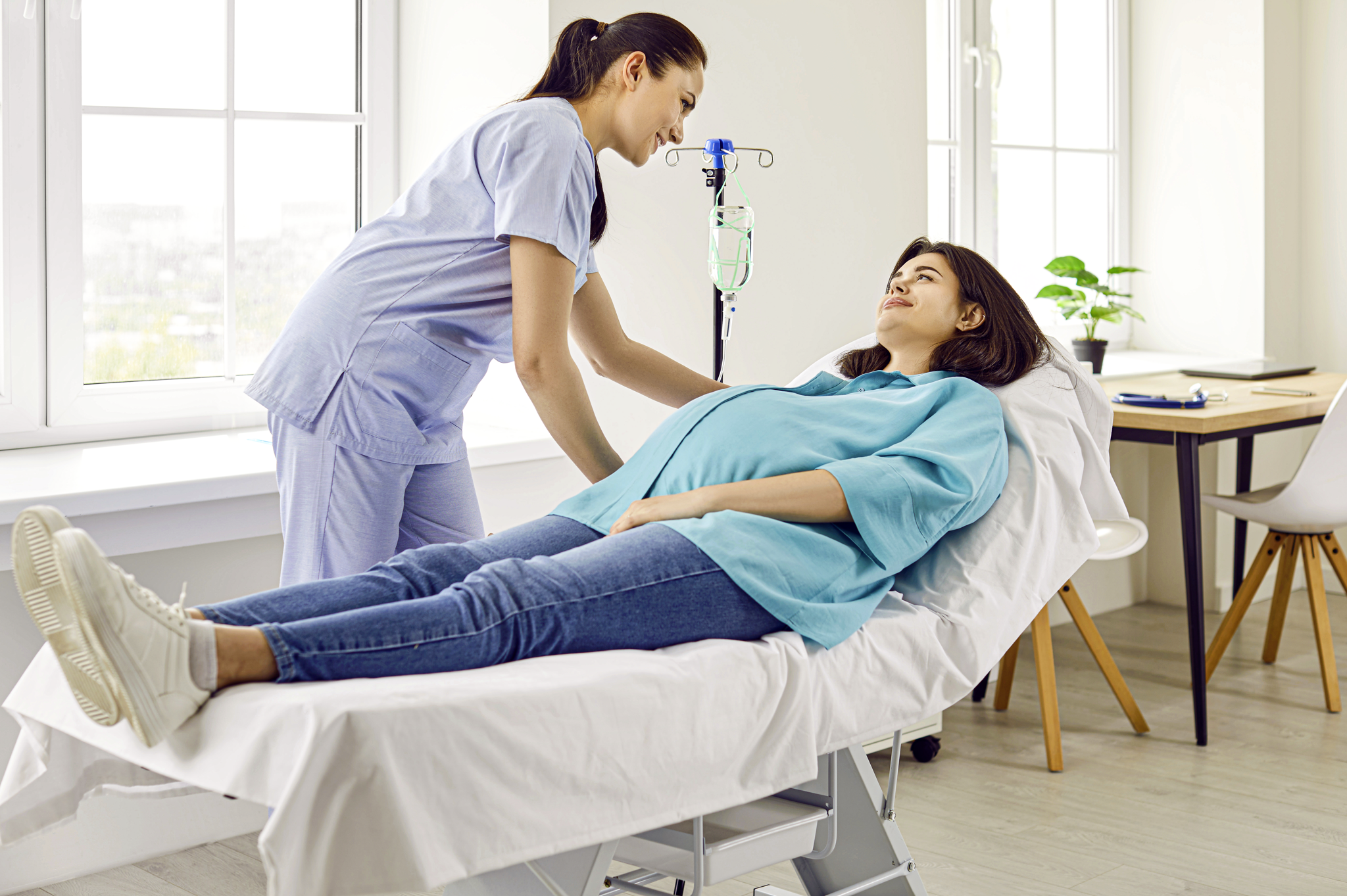
In the context of IV therapy specifically, this means a licensed nurse arriving at a chosen location with pharmaceutical-grade supplies, conducting a pre-session intake assessment, administering the infusion, and monitoring the client throughout. The same clinical process that would occur in a wellness clinic is relocated to wherever the client is most comfortable.
Why Has At-Home Healthcare Grown So Significantly in Recent Years?
At-home healthcare has grown because technological advancements, shifting consumer expectations, and the demonstrated viability of remote care during the COVID-19 pandemic converged to make mobile delivery both practical and desirable. What was once logistically difficult became feasible, and what was once unfamiliar became normal.
Telehealth laid important groundwork by showing that meaningful clinical interactions could happen outside a clinic without sacrificing quality. As patients experienced that convenience, their appetite for other forms of at-home care grew.
Advances in portable medical equipment made it possible to bring more sophisticated care into non-clinical environments safely, gradually decoupling the physical location of care from its quality.
In Puerto Rico, access to care has historically been shaped by geographic and infrastructure factors that mobile services are well-positioned to address. For residents where clinic access requires significant travel, or for professionals and visitors whose schedules do not accommodate standard clinic hours, mobile wellness fills a genuine gap rather than offering a luxury alternative.
How Does Mobile IV Therapy Fit Into the Broader At-Home Healthcare Trend?
Mobile IV therapy is one of the most practically immediate expressions of the at-home healthcare trend, a clinical-grade intervention delivered directly to the client, with results felt quickly and in the context of their own life rather than a waiting room.
In case you are wondering how IV therapy is used in medical settings vs. wellness clinics, bear in mind that intravenous therapy is a well-established delivery mechanism.
What mobile wellness services have done is extend it into a preventive and restorative context by supporting hydration, energy, immune function, and recovery for generally healthy individuals who want to maintain their baseline rather than wait until they are unwell enough to seek clinical care.
That preventive orientation sets mobile wellness apart from how most traditional healthcare operates. Much of the conventional system is structured around illness; people engage when something is wrong. Mobile IV therapy operates on a different premise: that supporting the body before deficits become symptoms is more effective than reactive care.
For those managing demanding professional schedules or recovering from long outdoor days in Puerto Rico's heat, that premise maps directly onto real daily challenges.
What Standards Should a Mobile Wellness Service Meet to Be Considered Reputable?
A reputable mobile wellness service should meet the same standards expected of any licensed healthcare provider: credentialed staff, physician oversight, individualized client assessment, pharmaceutical-grade supplies, and transparent communication about what each treatment contains and what it is designed to do.
If anything, mobility makes these standards more important, not less, since the client is receiving care outside the built-in oversight structure of a clinical facility.
When evaluating any mobile wellness provider, look for clear credential disclosure, evidence of physician oversight, and a proper intake assessment before treatment. A provider that skips assessment in favor of speed is worth approaching with caution.
How Is Mobile Healthcare Changing the Relationship Between Patients and Wellness Providers?
Mobile healthcare is changing the patient-provider relationship by shifting its center of gravity from the provider's environment to the client's, with implications not just for convenience but for the quality and continuity of care. In a traditional clinic model, the client adapts to the system. In a mobile model, the provider adapts to the client.
That inversion matters. Providers who visit a client at home observe context that a clinic visit never reveals, such as the environment they recover in, the conditions of their daily life, the pace at which they actually live, and that context informs better care over time.
For services such as IV hydration therapy and immune support, this has practical value. A provider who understands that a client spends long days outdoors in Puerto Rico's heat, travels frequently, or manages a demanding professional schedule is better positioned to recommend treatments that reflect those realities. The science behind IV drips supports individualization, and the mobile model makes it more achievable.
Curious About What Mobile Wellness Care Looks Like in Practice? Contact Mobile IV Puerto Rico
The shift toward at-home healthcare is not a passing trend; it reflects a genuine evolution in how people want to engage with their own wellness. If you are curious about what Mobile IV Puerto Rico can offer, how sessions are conducted, or whether a particular treatment fits your current needs, we are glad to walk you through it.
Reach out through our contact page or call us at 787-652-9200 to have a straightforward conversation about your wellness and how we can meet you where you are.