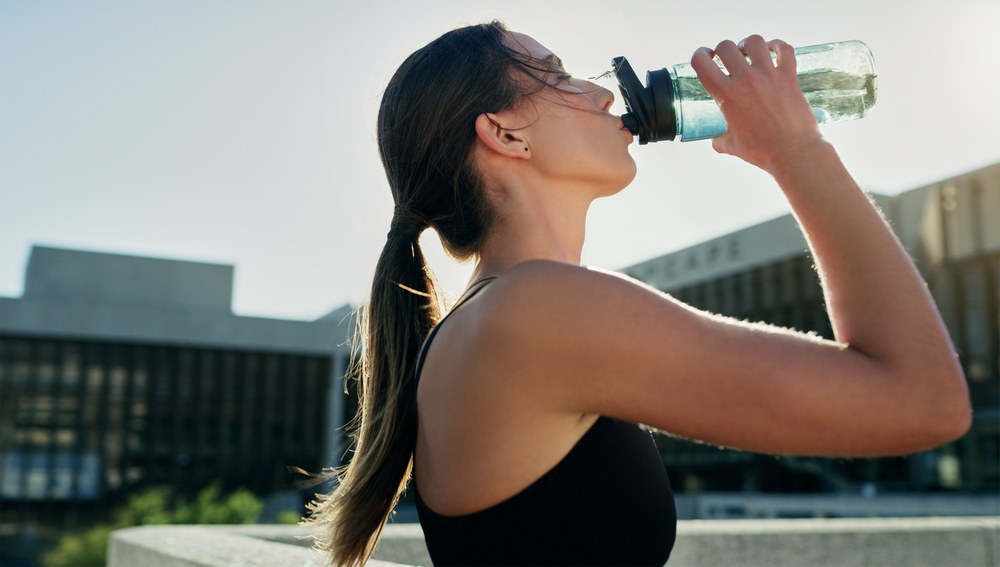
Long days outdoors in Puerto Rico can leave you lasting memories, whether you are attending a lively festival, relaxing at the beach, or exploring the island’s natural beauty. However, the combination of strong tropical sun, high humidity, and physical activity can quickly lead to dehydration if you are not careful.
Many people underestimate how much fluid the body loses in hot and humid conditions, especially during outdoor events that involve walking, dancing, or extended sun exposure. Dehydration can develop faster than expected and may lead to fatigue, headaches, dizziness, or more serious heat-related illnesses.
So, how can you stay hydrated before, during, and after outdoor activities? This can help you feel your best while making the most of Puerto Rico’s warm and vibrant atmosphere.
Why Are Outdoor Events in Puerto Rico Particularly Hydration-demanding?
Outdoor events in Puerto Rico are particularly hydration-demanding because they combine sustained sun exposure, physical activity, social engagement, and tropical heat into an environment where fluid loss is continuous but easy to ignore. Unlike a structured hike or workout, events do not have natural pause points that prompt people to rehydrate.
The social nature of outdoor gatherings is itself a factor. When attention is directed outward, and toward music, food, conversation, or competition, the internal signals that normally prompt drinking get tuned out.
Thirst, which, as discussed in our article on why hydration plays a central role in everyday wellness in Puerto Rico, is already a delayed and imperfect indicator of fluid status, becomes even less reliable as a guide when a person is distracted and engaged. Hours pass, the sun moves across the sky, and fluid loss accumulates. By the time fatigue, headache, or irritability sets in, the deficit is already meaningful.
Alcohol consumption at outdoor social events adds another layer of complexity, as alcohol is a diuretic that accelerates fluid loss while simultaneously reducing the sensation of thirst, a combination that deepens dehydration quietly and quickly.
How to Prepare Before a Long Outdoor Day?
Effective hydration preparation for a long outdoor day should begin the evening before, with deliberate fluid intake in the hours leading up to the event and a pre-hydration strategy the morning of, so that the body starts from a stable baseline rather than an existing deficit.
Beginning an outdoor event already mildly dehydrated, which our article on hydration planning for long outdoor excursions and adventure travel identifies as the default state for many people who do not actively manage fluid intake, means the body is already compensating before the day's demands have even begun.
That deficit deepens steadily under sun exposure and activity, reaching the threshold where performance and well-being are affected far sooner than they would for someone who started well-hydrated.
Preparation also means thinking about electrolytes, not just water volume. Sodium, potassium, and magnesium are lost through sweat and are not replaced by drinking water alone. Starting the day with a meal that includes mineral-rich foods, or supplementing with electrolytes before prolonged sun exposure begins, gives the body's fluid regulation systems more to work with before loss begins to outpace intake.
How Should People Manage Hydration During a Long Outdoor Event?
During a long outdoor event, hydration should be managed on a schedule rather than in response to thirst, with deliberate attention to electrolyte replacement and awareness of factors like alcohol, caffeine, and direct sun that accelerate loss.
Drinking at consistent intervals, rather than waiting for thirst to prompt it, is especially important during the late morning and afternoon hours when solar intensity peaks. Shade, when available, meaningfully slows fluid loss even during an otherwise continuous outdoor day.
What people drink matters as much as how much. Plain water replaces fluid volume but not the electrolytes, particularly sodium, that determine how efficiently cells absorb and retain it. Sports drinks offer some mineral content but are high in sugar and inconsistent in their ratios.
For anyone who has experienced cramping, dizziness, or heat fatigue at previous outdoor events, a more deliberate electrolyte strategy is worth building into the day from the start.
When Should You Consider IV Hydration Rather Than Oral Rehydration After an Outdoor Event?
IV hydration is worth considering over oral rehydration alone when symptoms of significant dehydration are present, when recovery needs to happen quickly, or when oral intake has been difficult to maintain during the event itself. These are not rare circumstances at long outdoor events in tropical heat; they are common ones.
Symptoms that suggest a meaningful deficit include persistent headache, muscle cramping, nausea, dizziness, marked fatigue, and reduced or very dark urine output. Someone experiencing these symptoms after a long outdoor day is not simply tired, their body is working to compensate for a real physiological deficit, and the speed of recovery depends significantly on how efficiently that deficit is addressed.
IV therapy is also appropriate for people who did not consume significant amounts of fluid during the event, due to limited access, nausea, alcohol consumption, or simply losing track of time, and who are facing a substantial gap between where their hydration levels are and where they need to be.
The hangover relief IV and immune support drip are among the most relevant options for post-event recovery, depending on the specific combination of factors involved.
FAQ
Is it possible to over-hydrate during an outdoor event?
Yes. Drinking excessive water without adequate electrolyte intake can dilute sodium levels in the blood, so electrolyte balance matters as much as total fluid volume.
How soon after a long outdoor day should recovery hydration begin?
Recovery hydration is most effective when it begins within the first hour after the event ends, while the body's absorption and restoration processes are most active.
Can children and older adults attend outdoor events in Puerto Rico without special hydration considerations?
Both groups are more vulnerable to heat-related dehydration than healthy adults and benefit from more deliberate hydration monitoring and earlier intervention when symptoms appear.
Spending a Long Day Outdoors in Puerto Rico? Make Recovery Part of the Plan with Mobile IV Puerto Rico
The best outdoor events leave you with great memories, not a day of recovery they did not plan for. Whether you are attending a festival in San Juan, a beach celebration on the west coast, or a community gathering anywhere on the island, building a recovery strategy into the day, rather than improvising at the end of it, makes a real difference in how you feel afterward.
If you want to know more about how mobile IV therapy fits into that strategy, at Mobile IV Puerto Rico, we are glad to talk through your options. Reach out through our contact page or call us at 787-652-9200.