Most conversations about hydration focus on water, how much to drink, when to drink it, and what happens when you do not drink enough. Water is foundational, but it is only part of the picture.
Hydration at the cellular level depends equally on electrolytes. These minerals dissolve in fluid and carry electrical charges that govern how water moves into and out of cells, how nerves fire, how muscles contract, and how the body regulates its internal environment.
Without the right electrolyte balance, drinking water alone will not fully hydrate you.
What Are Electrolytes and Why Does the Body Need Them?
Electrolytes are minerals that carry an electrical charge when dissolved in water and are essential for maintaining fluid balance, enabling nerve and muscle function, regulating blood pressure, and supporting virtually every system in the body that depends on electrochemical signaling. The body cannot function normally without them.
The primary electrolytes involved in hydration are sodium, potassium, magnesium, calcium, chloride, and phosphate. Each plays a distinct role. Sodium is the dominant electrolyte in the fluid outside cells and is the primary regulator of fluid volume in the bloodstream. Potassium governs fluid balance inside cells and is critical for muscle contraction and heart rhythm. Magnesium supports hundreds of enzymatic processes, including energy production, nerve signaling, and muscle relaxation. Calcium is involved in muscle contraction, bone integrity, and cellular communication.
Together, these minerals create the electrochemical environment in which the body's fluid regulation systems operate, and when their concentrations shift, as they do during sweating, illness, or prolonged physical activity, the effects ripple across multiple systems simultaneously.
How Do Electrolytes Regulate Fluid Balance in the Body?
Electrolytes control fluid balance via osmosis, a process where water moves across cell membranes from areas of lower to higher solute concentration, driven by the electrolyte levels on each side. Sodium is the principal driver of this process in the extracellular space.
When sodium levels in the blood are adequate, water is retained in circulation at the right volume to support blood pressure, organ perfusion, and cellular hydration. When sodium drops (through heavy sweating, excessive plain water intake without electrolyte replacement, or illness), the osmotic gradient that holds water in the bloodstream weakens, and fluid distribution across the body becomes dysregulated.
This is why drinking large amounts of plain water without electrolytes can paradoxically leave a person feeling poorly hydrated: the water is absorbed but not retained where it is needed, and sodium dilution can actually worsen cellular hydration rather than improve it.
As covered in our article on when IV hydration is medically necessary vs. when oral hydration is enough, the composition of what you drink matters as much as the volume, a principle that becomes especially relevant during prolonged outdoor activity or heat exposure in Puerto Rico's climate.
What Happens to Electrolyte Levels During Sweating and Physical Activity?
When a person engages in physical activity and sweats, the body loses both fluid and electrolytes simultaneously, with sodium and chloride lost in the highest concentrations through sweat, followed by smaller but physiologically significant losses of potassium, magnesium, and calcium. Replacing fluid without replacing electrolytes addresses only half of the deficit.
Sweat is not pure water. It contains meaningful concentrations of minerals that must be replenished for the body to restore true fluid balance rather than simply increasing fluid volume without correcting its composition.
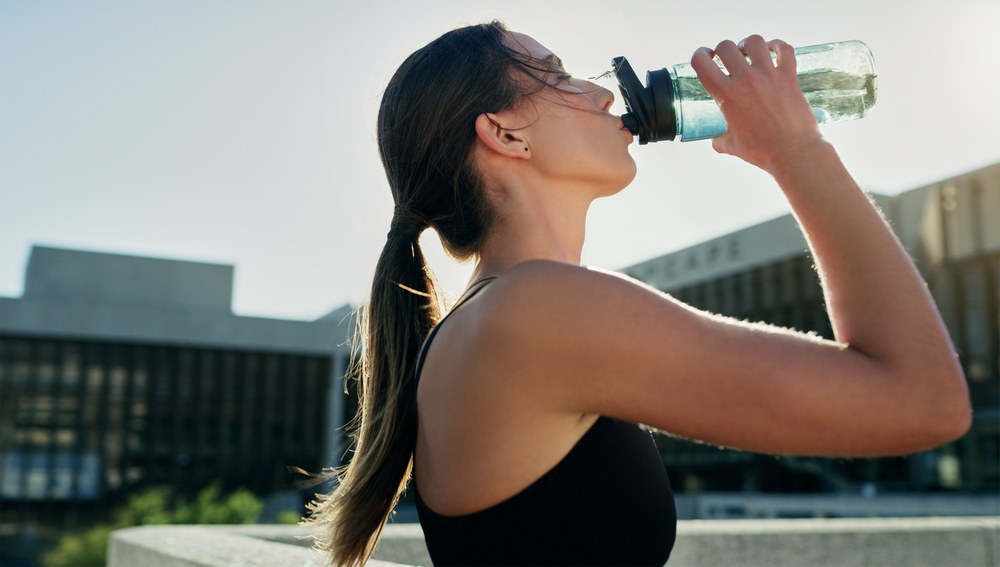
In Puerto Rico's tropical climate, heat and humidity drive continuous and elevated fluid loss; the electrolyte component of that loss is as important to address as the water component. During physical activity, sweat losses compound quickly, and the gap between what is lost and what is replaced through water alone widens with every hour.
Muscle cramping, one of the most recognizable signs of electrolyte depletion, signals that potassium and magnesium levels have dropped to the point where normal muscle function is being impaired, a sign that rehydration with water alone has not been sufficient.
Why Can Drinking Water Alone Fail to Restore Hydration?
Only drinking water can fail to restore hydration because, without adequate electrolytes, particularly sodium, the body lacks the osmotic signals needed to retain fluid in the bloodstream and deliver it effectively to cells, meaning that water consumed without electrolyte support may be excreted before it fully hydrates.
This is the physiological basis for a phenomenon that many people experience but rarely identify correctly: drinking substantial amounts of water and still feeling thirsty, fatigued, or headachy.
The body's fluid retention mechanisms depend on sodium to maintain osmotic pressure in the bloodstream. When sodium is depleted through sweating and is not replaced alongside fluid intake, the kidneys interpret the low sodium environment as a signal to excrete water to avoid further dilution. The result is increased urination without meaningful improvement in cellular hydration.
This explains why electrolyte-containing beverages outperform plain water in recovery situations and why IV formulations that combine isotonic saline with additional electrolytes and vitamins produce faster and more complete relief than water intake alone.
How Does IV Therapy Restore Electrolyte Balance More Effectively Than Oral Supplementation?
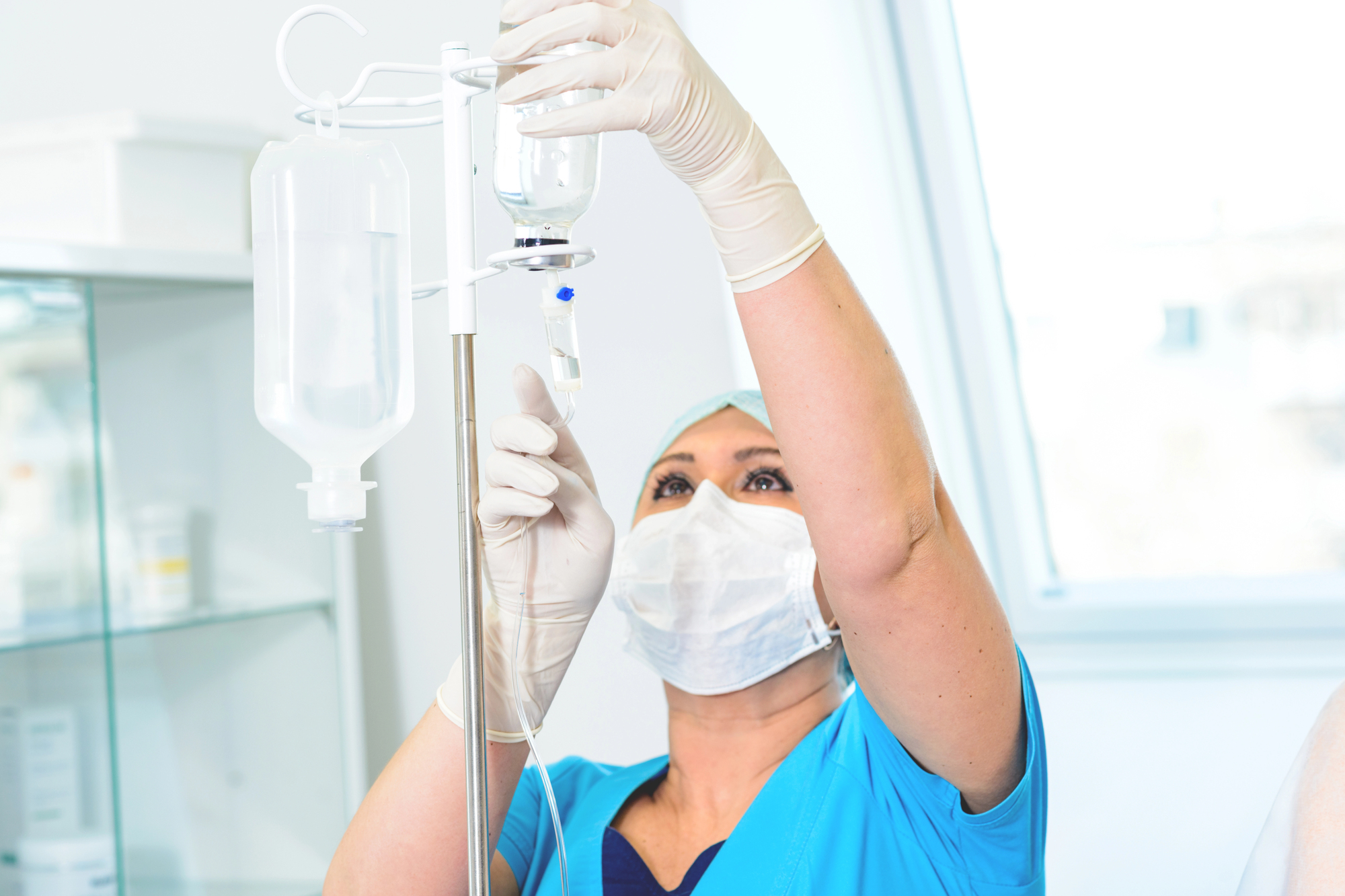
IV therapy restores electrolyte balance more effectively than oral supplementation in situations of significant depletion because it delivers minerals directly into the bloodstream at precise concentrations, bypassing the absorption variability and digestive limitations that reduce the efficiency of oral electrolyte intake, particularly when the gut itself is under stress.
Oral electrolyte absorption depends on a functioning gastrointestinal system, adequate digestive transit time, and the absence of competing factors like nausea, vomiting, or rapid intestinal motility.
Under ideal conditions, a good oral electrolyte solution is absorbed reasonably well, but ideal conditions are not always what a significantly depleted person is experiencing. When nausea is present, when the gut is irritated from illness or excess alcohol, or when the deficit is simply too large to address quickly through drinking, the oral route introduces delays and losses that intravenous delivery does not.
As discussed in our article on how the body processes vitamins and nutrients through IV therapy, IV delivery achieves near-complete bioavailability of electrolytes and vitamins because nothing is filtered or lost in transit. For someone recovering from a demanding day outdoors, a post-event hangover, or the compounded effects of travel and heat exposure, that difference in absorption efficiency translates directly into how quickly and completely they feel restored.
Treatments like the Myers' Cocktail and immune support drip combine electrolyte restoration with targeted micronutrient delivery for exactly this reason.
Is Electrolyte Imbalance Affecting How You Feel? Let's Find Out Together.
If you regularly experience fatigue, muscle cramping, headaches, or brain fog, particularly after time outdoors or during demanding stretches of work or travel in Puerto Rico, electrolyte balance is worth looking at more closely.
At Mobile IV Puerto Rico, our licensed nurses come to you, at your home, hotel, or office, with a full range of treatments designed to restore fluid and electrolyte balance quickly and completely. From targeted hydration therapy to the broad-spectrum Myers' Cocktail, every session is tailored to your body's actual needs.
Reach out through our contact page or call us at 787-652-9200. We are happy to answer your questions before you book.