Intravenous Therapy (IV) delivers essential minerals and vitamins in an efficent, direct way to the human body. For this reason, and many more, its popularity is increasing worldwide. More and more people resort to IV in all sorts of different situations: when they need to recover after a long trip, for anti-aging purposes, and even high-performance athletes use it to recover faster and perform better.
But IV therapy has lots of different uses and objectives when being administered. This leads us to a very important differentiation: Hospital IV treatment and Wellness IV therapy. While both utilize the same delivery mechanism, they differ fundamentally in their clinical objectives, the concentrations of the solutions provided, and the environments in which they are administered.
Keep reading to learn more about these two methods for providing IV therapy: which one is preferred and under which scenarios, their similarities, and also their main differences.
When Does Intravenous Therapy Become a Medical Necessity?
In a clinical setting, intravenous therapy is utilized when a patient's condition is severe enough that oral intake is either impossible or insufficient to maintain life-sustaining physiological functions.
Hospital-based IV treatments are indicated for crises such as severe electrolyte imbalances, blood loss, sepsis, or the administration of life-saving medications that require precise, immediate titration.
When comparing hospital IV therapy versus wellness IV therapy, the most striking difference is the patient's baseline health.
A hospital patient may be suffering from acute renal failure or severe trauma, requiring the medical team to monitor hemodynamics and organ function constantly. In these scenarios, the IV is not a lifestyle choice but a critical component of a broader medical treatment plan.
Conversely, those seeking wellness-based services may be dealing with travel fatigue or the physical tax of Puerto Rico's tropical heat.
The Objective of Wellness-Focused Hydration and Recovery
Wellness-focused IV services are designed to bridge the gap between daily nutrition and the occasional physical demands of an active lifestyle. These sessions aim to optimize fluid levels and provide a concentrated influx of vitamins and minerals to support the body’s natural recovery processes.
Unlike a hospital visit, which focuses on stabilizing a pathology, wellness therapy focuses on enhancing the feeling of vitality and shortening the "downtime" associated with intense exertion.
For residents and travelers in Puerto Rico, the environmental demands are unique. A long day of hiking in El Yunque or a weekend spent under the intense sun in Vieques can lead to a level of fluid and electrolyte loss that makes one feel depleted.
In these cases, a wellness session provides a structured way to replenish what was lost during perspiration. This is important, since maintaining proper hydration is essential for temperature regulation and cognitive function, making proactive fluid management a sensible part of an active outdoor routine.
Differences in Solution Composition and Concentration
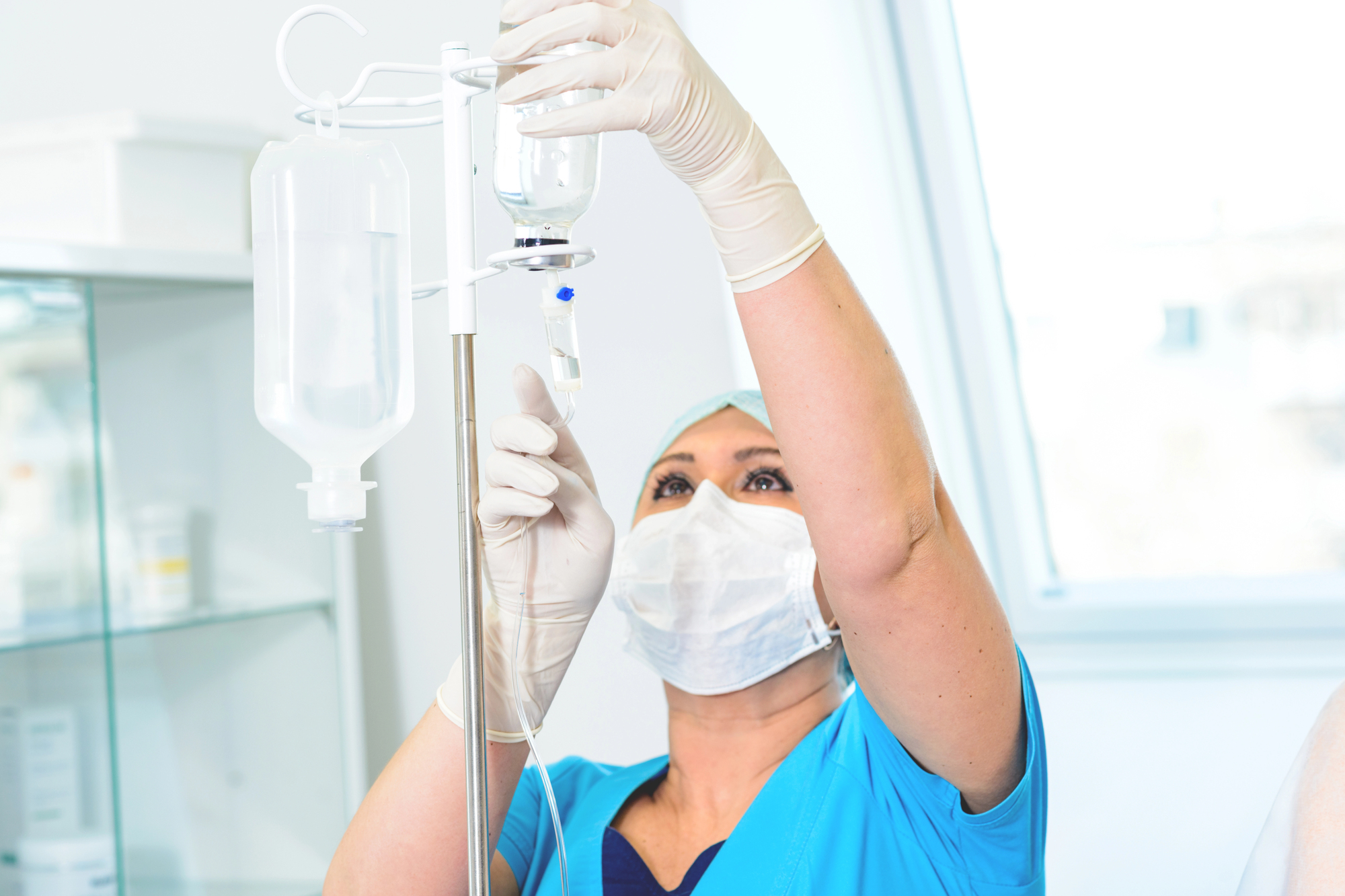
The fluid bags used in a hospital are often "isotonic" or "hypotonic" solutions, such as 0.9% Normal Saline or D5W, carefully selected to shift fluids between the intracellular and extracellular spaces based on a patient’s specific pathology. In a medical setting, every milliliter is calculated to avoid complications like pulmonary edema or heart failure.
In a medical IV treatment vs IV drip bar comparison, wellness solutions are generally geared toward broader support. While they still use medical-grade saline or Lactated Ringer’s as a base, the "add-ins" are often water-soluble vitamins, amino acids, and antioxidants like glutathione.
These are provided in concentrations intended to "top off" the body's stores rather than to correct a life-threatening deficiency. Because the body's kidneys efficiently filter out excess water-soluble vitamins, these sessions are designed for patients whose systems can process the transiently high plasma levels of nutrients like Vitamin C or B12.
Triage and Screening: Protecting Client Safety
A common misconception is that wellness IV therapy lacks the oversight found in a hospital. While the intensity of monitoring may be lower because the client is not acutely ill, reputable mobile providers still maintain strict screening protocols. Before any treatment begins, a practitioner must assess vital signs, medical history, and current medications to ensure the individual is a safe candidate for the procedure.
This screening process is where IV therapy clinical vs wellness use overlaps. Just as a hospital wouldn't give fluids to a patient with fluid-overload risks, a responsible mobile service will decline treatment for individuals with certain cardiac or renal conditions.
The goal of wellness IV therapy is to provide a supplemental benefit to those who can safely process the infusion. This medically responsible approach ensures that the wellness session remains a supportive tool rather than a risk factor.
How Mobile Services Differ from Clinical Environments
One of the most significant practical intravenous therapy differences is the environment and the delivery model. Hospital IVs require admission, triage, and often hours of waiting in an emergency room or a specialized clinic. The focus is on efficiency and safety in a high-stakes environment. In contrast, mobile wellness services prioritize comfort and integration into the client’s existing schedule.
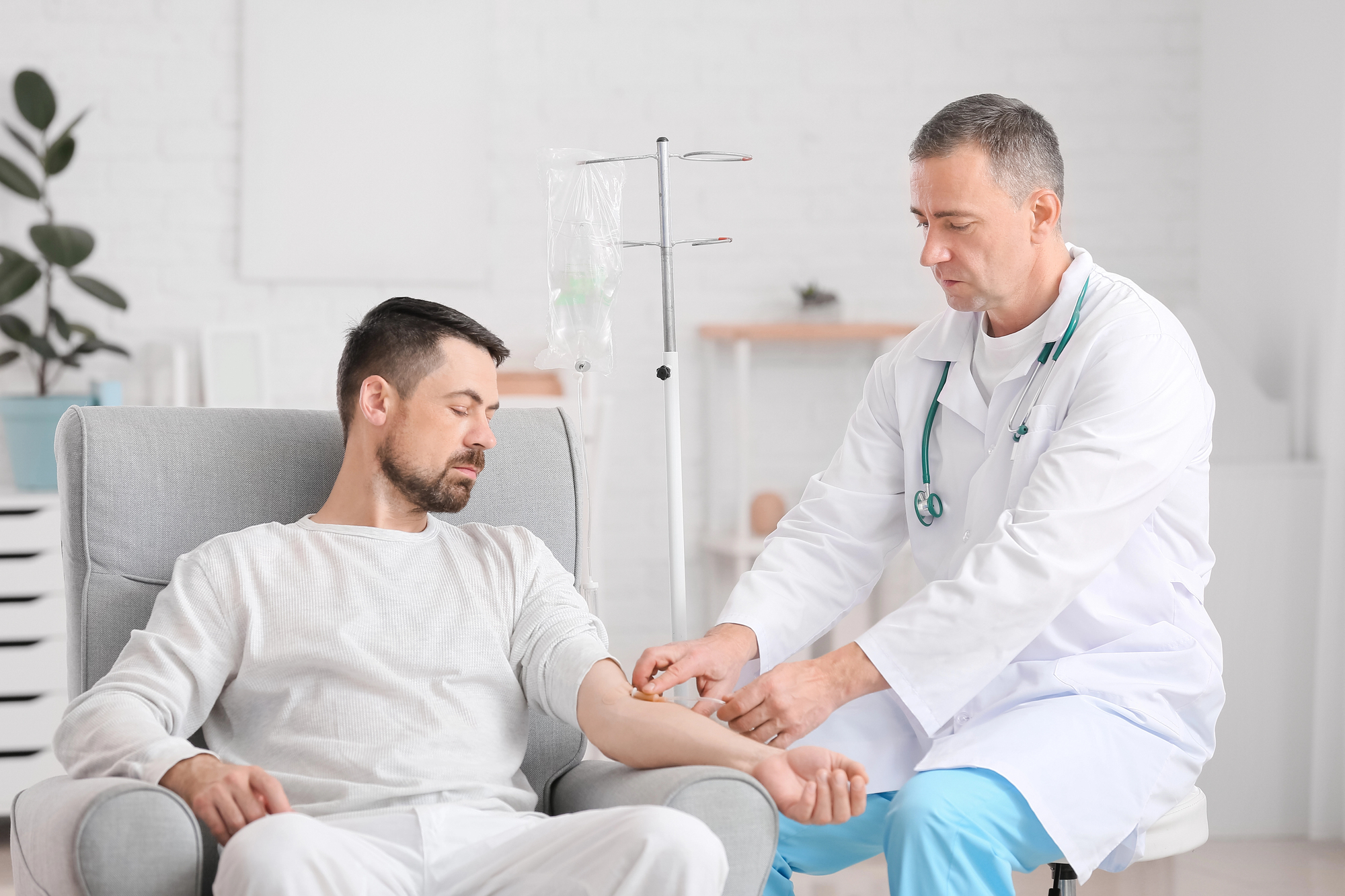
Mobile IV therapy in Puerto Rico allows a licensed professional to come directly to a home, hotel, or office in San Juan or beyond. This removes the stress of a clinical setting and allows the individual to relax in a private space while receiving their treatment.
While the equipment and the credentials of the practitioner, usually a registered nurse, remain at a medical standard, the experience is tailored to fit a wellness-oriented lifestyle. This convenience makes it a preferred option for busy professionals or travelers who want to address travel-induced dehydration in Puerto Rico without the logistical burden of a hospital visit.
How Mobile IV Therapy Supports Hydration and Recovery
Mobile IV therapy provides a professional and convenient solution for those seeking hydration and nutrient support across Puerto Rico. Administered by licensed healthcare professionals, these services bring clinical-grade wellness directly to your home, hotel, or workplace, ensuring a safe and private experience.
Whether you are seeking to recover from a demanding travel itinerary, replenish after a long day in the tropical sun, or simply support your overall wellness goals, mobile IV therapy offers a tailored approach that fits your lifestyle.
Book an IV Therapy Session with Mobile IV Puerto Rico
Mobile IV Puerto Rico provides an on-demand option for people who want additional hydration and nutrient support without disrupting their plans.
Sessions are administered by licensed medical professionals and can take place at a private residence, hotel, or other convenient location. Each infusion is selected based on individual needs, offering support for fluid replenishment, electrolyte balance, and overall energy during active or high-heat days.
If you’re looking for a flexible way to support your health while spending time outdoors, traveling, or maintaining an active routine, scheduling an IV therapy session with Mobile IV Puerto Rico may be worth considering.
Appointments are designed to fit around your schedule, allowing you to recover comfortably and continue enjoying Puerto Rico, feeling refreshed and well-supported.