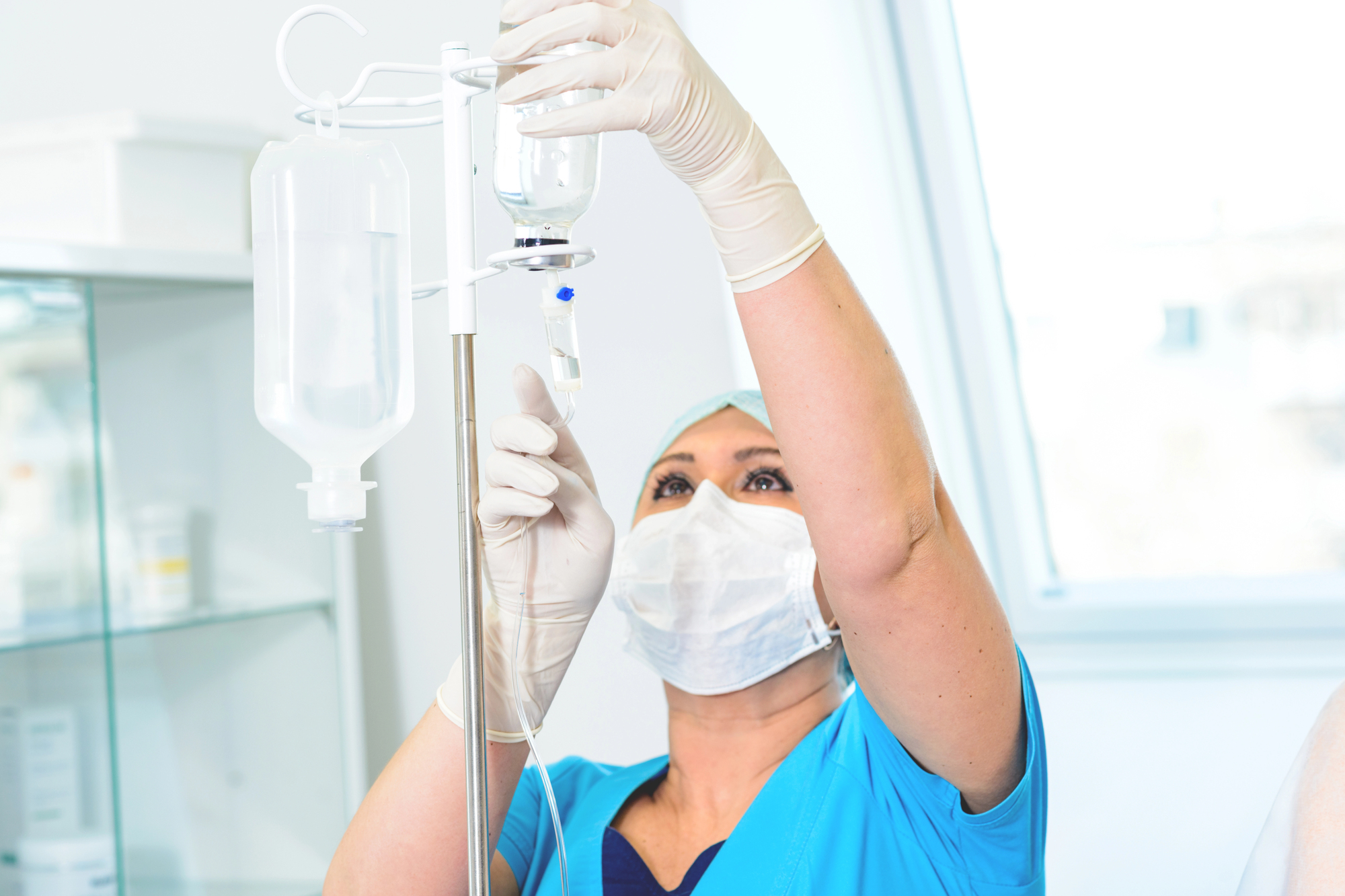
Intravenous hydration therapy is a widely used wellness tool, but it is not a one-size-fits-all solution. Since IV fluids enter the bloodstream directly (bypassing the digestive tract's natural regulatory filters) they can place temporary stress on the heart and kidneys if either organ is not functioning optimally.
For residents and visitors acclimating to Puerto Rico's heat and humidity, IV therapy is an efficient way to restore balance after exertion, illness, or travel fatigue. Even so, a safety-first approach is essential.
Reviewing your personal health markers and medical history before booking an IV drip ensures that the infusion supports your recovery goals without introducing unnecessary physiological risk.
Chronic Kidney Disease, Kidney Stones, and IV Drip Safety
Healthy kidney function is essential for filtering and excreting the water-soluble vitamins and minerals delivered during a wellness drip. Patients with chronic kidney disease (CKD) or a history of kidney stones should discuss IV therapy with a specialist before booking, since compromised kidneys may struggle to process high concentrations of nutrients such as Vitamin C, magnesium, and potassium.
The kidneys serve as the body's primary regulator of electrolyte balance. When that filtering capacity is reduced, an IV infusion can inadvertently cause dangerous imbalances in the blood. Elevated potassium or magnesium levels in the plasma, for example, can disrupt heart rhythm and muscle function if the kidneys cannot clear the excess quickly enough.
A medical professional can review recent lab work, including your glomerular filtration rate (GFR), to confirm that your kidneys can safely handle the metabolic demands of an IV session.
G6PD Deficiency and High-Dose Vitamin C IV Therapy
In Puerto Rico, awareness of Glucose-6-Phosphate Dehydrogenase (G6PD) deficiency is especially relevant. This genetic enzyme deficiency, which affects how red blood cells respond to oxidative stress, is more prevalent in Caribbean populations. Individuals with G6PD deficiency must avoid high-dose Vitamin C infusions, as rapid introduction of this antioxidant can trigger hemolysis — the premature breakdown of red blood cells — in people who lack the G6PD enzyme.
Even at wellness-level doses, the risk remains significant enough to be a determining factor in who should avoid IV therapy altogether or at minimum avoid specific formulations. Reputable providers will screen for this condition or require a blood test before administering high-concentration Vitamin C drips.
This is a clear example of why personalized medical history review is a clinical necessity.
Allergies and Sensitivities to IV Drip Additives
While most people focus on the hydration aspect of an IV session, the micronutrient additives (vitamins, antioxidants, minerals, and preservatives) can occasionally trigger sensitivities or allergic reactions in predisposed individuals.
If you have a known allergy to specific preservatives, sulfur compounds, or any particular vitamin formulations, a discussion with your primary care physician or an allergist is necessary before the IV drip procedure begins.
These reactions are rare but can range from mild skin rashes and itching to, in very severe cases, respiratory distress. A professional medical provider will always conduct a pre-session screening to check for known risks, but the most reliable safety measure is your own knowledge of your body's history.
A doctor can identify which specific additives are appropriate for your system and which should be excluded from your IV wellness plan.
IV Therapy and Cardiovascular Health: What You Need to Know
Before any elective infusion, anyone with a history of congestive heart failure or uncontrolled high blood pressure should exercise significant caution and seek an IV therapy medical consultation.
The primary mechanism of an IV is rapid plasma volume expansion; in other words, it increases the total amount of fluid the heart must pump through the circulatory system.
When the heart muscle is weakened, a sudden influx of saline can lead to fluid overload, potentially causing shortness of breath or edema (swelling). Fluid balance is a critical factor in managing cardiac health, and even minor volume shifts can destabilize blood pressure. For patients in this category, a physician can determine whether a reduced infusion rate, a smaller fluid volume, or oral rehydration represents the safer path forward.
IV Therapy During Pregnancy and Nursing: Is It Safe?
Expectant and nursing mothers may be interested in IV hydration therapy to help manage the dehydration and fatigue that frequently accompany pregnancy and the postpartum period. However, because everything introduced into the mother's bloodstream has the potential to cross the placenta or enter breast milk, medical clearance from an OB-GYN is mandatory before booking any IV session.
A physician will evaluate whether the specific nutrient blend and infusion rate are appropriate for both the mother and the developing child. While staying well-hydrated is a foundational element of prenatal health, the concentration of certain vitamins must be carefully monitored to remain within safe recommended daily allowances.
In many cases, a doctor may recommend a simplified hydration solution without added stimulants or high-dose antioxidants during this sensitive period.
Frequently Asked Questions About IV Therapy Safety in Puerto Rico
Who should not get IV therapy without a doctor's approval?
Anyone with congestive heart failure, uncontrolled hypertension, chronic kidney disease, kidney stones, G6PD deficiency, known micronutrient allergies, or who is pregnant or breastfeeding should consult a physician before scheduling an IV session.
Can IV therapy cause fluid overload?
Yes. In people with weakened cardiac function, the rapid increase in plasma volume caused by an IV infusion can overwhelm the heart's pumping capacity, leading to fluid overload, swelling, or breathing difficulties. A physician can assess your risk level and recommend an appropriate infusion volume and rate.
Is IV therapy safe for people with kidney disease?
Not without medical supervision. Kidneys are responsible for filtering electrolytes and water-soluble vitamins delivered during IV therapy. Compromised renal function can lead to dangerous accumulations of potassium, magnesium, or Vitamin C. Lab work and specialist guidance are essential before booking.
Why is G6PD deficiency especially relevant in Puerto Rico?
G6PD deficiency is a genetic condition more commonly found in populations of Caribbean, African, and Mediterranean descent. It causes red blood cells to break down when exposed to certain oxidative stressors, including high-dose Vitamin C. IV providers in Puerto Rico should screen for this condition routinely.
Can pregnant women get IV therapy?
Only with explicit clearance from their OB-GYN. Hydration during pregnancy is important, but certain vitamins and additives in wellness drips may not be appropriate during all stages of pregnancy or while breastfeeding.
What happens during an IV therapy medical consultation?
A licensed medical professional reviews your health history, current medications, allergies, and vital signs before the infusion begins. This screening identifies any contraindications and allows the provider to tailor the nutrient blend to your specific needs and health status.
Book a Medically Supervised IV Therapy Session in Puerto Rico
Mobile IV Puerto Rico offers a clinically rigorous approach to recovery and hydration, designed for the unique demands of island life. whether you are a local resident managing the heat year-round or a visitor pushing through an active travel itinerary.
Every session is administered by a licensed medical professional who conducts a comprehensive health screening before the infusion begins. We come directly to your home, hotel, or office anywhere across Puerto Rico, from San Juan and Dorado to Ponce, Rincón, and beyond. Each IV is customized to your individual needs, supporting fluid replenishment, electrolyte balance, vitamin delivery, and sustained energy.
If you are ready to prioritize your health with a safe, physician-supported IV therapy session, book your appointment with Mobile IV Puerto Rico today. Our team is here to ensure your recovery is both effective and medically sound, wherever you are on the island.