Living in or visiting a tropical environment like Puerto Rico offers a lifestyle defined by sun, ocean breezes, and high energy. However, the same elements that make the island beautiful also place a unique demand on the human body.
In a climate where the temperature frequently stays above 80°F and humidity levels often soar past 70%, your hydration needs settings are not static. They shift from the moment you wake up until you go to sleep.
Hydration in a tropical climate takes more than simply aiming for eight glasses of water a day. It’s an ongoing balancing act that replaces what your body loses while helping you cope with heat, humidity, and constant environmental stress.
To stay energized and avoid the dreaded “tropical slump,” you need to adjust what and how much you drink as the day unfolds, matching your intake to shifts in temperature, activity, and sunlight.
How The Morning Dehydration Gap Affects Your Start of Day
Many people wake up in Puerto Rico feeling slightly sluggish, a sensation often blamed on a late night or a heavy dinner. In reality, this is usually the result of the "morning dehydration gap." Even with air conditioning, the body loses a significant amount of moisture through respiration and perspiration overnight. In a warm climate, this overnight loss is amplified.
Before you reach for a cup of strong Puerto Rican coffee, which acts as a mild diuretic, it is vital to prime the system with water. This first liter of the day re-establishes plasma volume and "wakes up" the kidneys and digestive tract. Starting your day behind on fluids makes it nearly impossible to catch up once the midday sun begins to take its toll.
Mid-Morning: Managing the Humidity Rise
As the sun rises and the dew evaporates, the humidity in places like San Juan or Ponce begins to climb. This is a critical period for daily hydration in tropical weather. High humidity changes how the body cools itself. Normally, sweat evaporates off the skin, pulling heat away from the core. In 80% humidity, that sweat stays on the skin, and the cooling process slows down.
During this window, the body continues to produce sweat in an attempt to cool off, often without the person realizing how much fluid they are losing. This is the time to transition from plain water to a beverage that includes electrolytes.
Small amounts of sodium and potassium help the body "hold onto" the water you drink rather than just passing it through. This prevents the frequent bathroom trips that can actually lead to further dehydration if you are only consuming distilled or highly filtered water.
The Midday Peak: Heat Stress and Plasma Volume
From 11:00 AM to 3:00 PM, the thermal load on the body reaches its maximum. For those working outdoors, hiking in El Yunque, or even just walking between meetings, this is the highest risk period for heat exhaustion. During these hours, your hydration needs are most intense because the heart has to work harder to pump blood to the surface of the skin for cooling.
When you are dehydrated during the midday peak, your blood volume actually decreases, making it thicker and harder to pump. This is why heat-related headaches and dizziness are so common in the afternoon.
To combat this, hydration should be "pulsed": taking frequent, small sips rather than chugging large amounts at once. The gut can only absorb about 20 to 27 ounces of water per hour; anything more than that simply sits in the stomach, leading to discomfort and bloating while your cells remain thirsty.
Afternoon Recovery: The Role of Tropical Fruits
By late afternoon, many people in Puerto Rico experience a "crash." While this is often attributed to a large lunch, it is frequently a sign of electrolyte depletion.
Foods like coconut water, acerola cherries, and papaya are not just snacks; they are biological tools. Coconut water is naturally rich in potassium and magnesium, two minerals that are lost rapidly through sweat. Incorporate these "wet foods" into your afternoon routine to benefit from a slow-release form of hydration.
The fiber in the fruit slows down the absorption of the water and sugars, providing a more stable energy curve than a sugary sports drink or a soda.
Evening Wind-Down: Preparing for the Night
As the sun sets and the air cools slightly, your hydration strategy should shift toward preparation for the next day. This is the time to taper off high-electrolyte drinks and return to plain, room-temperature water.
Many people make the mistake of stopping their fluid intake early in the evening to avoid waking up at night. However, in a tropical climate, the body continues to lose moisture through the skin well into the night.
A glass of water before bed, paired with a small amount of sea salt or a magnesium supplement, helps the body repair tissues and process the heat stress of the day while you sleep.
Signs Your Hydration Strategy Needs Adjustment
Even with a plan, the intensity of tropical weather can sometimes outpace your intake. It is important to recognize the subtle "lifestyle signals" that you are falling behind:
- The "Heavy Leg" Feeling: A sign of low blood volume and electrolyte imbalance.
- Irritability: Dehydration affects the brain's ability to regulate mood and focus.
- Dark Urine: The most reliable indicator that your kidneys are working too hard to conserve water.
- Lack of Sweat: If you are hot but no longer sweating, this is a medical emergency, as your body has run out of fluids to use for cooling.
Book An IV Therapy Session with Mobile IV Puerto Rico
Daily hydration in tropical weather is a shifting, all-day process rather than a chore to be finished. Remember this to maintain your health and enjoy everything the island has to offer. Whether you are a lifelong resident or a first-time visitor, respecting the tropical sun means staying one step ahead of your thirst.
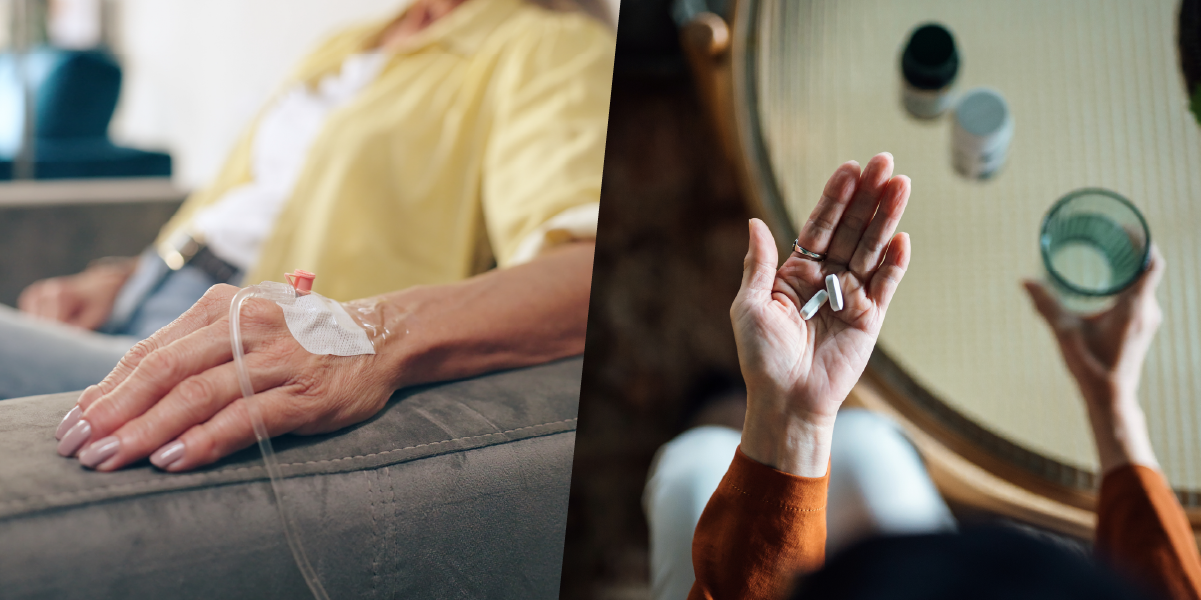
Mobile IV Puerto Rico provides an on-demand option for people who want additional hydration and nutrient support without changing their plans.
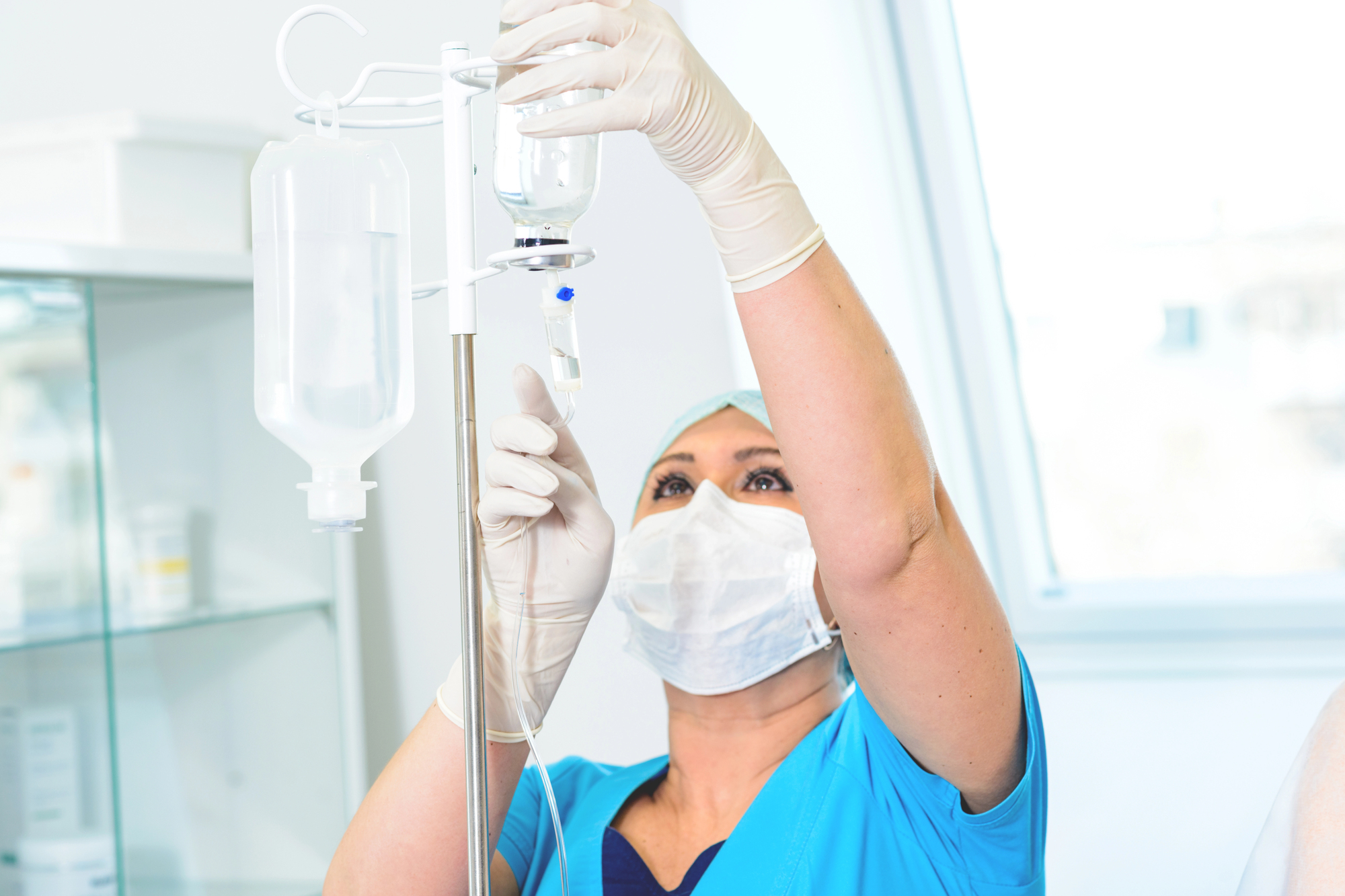
Sessions are administered by licensed medical professionals and can take place at a private residence, hotel, or other convenient location. Each infusion is selected based on individual needs, offering support for fluid replenishment, electrolyte balance, and overall energy during active or high-heat days.
If you’re looking for a flexible way to support hydration while spending time outdoors, traveling, or maintaining an active routine, schedule an IV therapy session with Mobile IV Puerto Rico.
Appointments are designed to fit around your schedule, allowing you to recover comfortably and continue enjoying Puerto Rico, feeling refreshed and well-supported. Don't wait to get in touch with us today.